
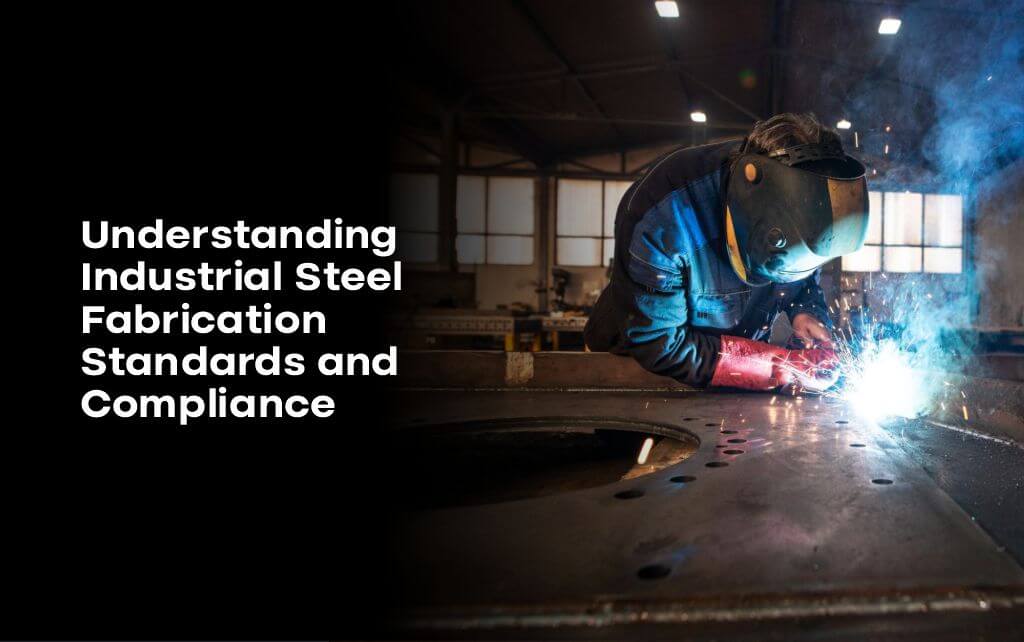
In the industrial world, precision and consistency are everything. Whether constructing large-scale factories, oil refineries, or structural frameworks, industrial steel fabrication is the foundation of reliability and safety. Every weld, cut, and joint must meet exact specifications—not just for performance, but also for compliance with strict international standards.
These standards ensure that fabricated steel structures can withstand stress, environmental exposure, and operational demands over time. For companies investing in large-scale projects, compliance isn’t just a box to tick—it’s the difference between long-term success and costly structural failures.
This article explains the key industrial steel fabrication standards and compliance requirements, how they impact project outcomes, and what to look for when choosing an industrial steel fabricator that meets those standards.
What Is Industrial Steel Fabrication?
At its core, industrial steel fabrication involves cutting, shaping, and assembling steel into products or structures used across industries like construction, manufacturing, oil and gas, and power generation. Unlike general fabrication, industrial fabrication demands higher precision, larger scale, and strict adherence to engineering drawings and safety codes.
The process often includes:
- Design and planning: Engineers translate project specifications into detailed blueprints and 3D models.
- Cutting and forming: Steel plates and sections are cut using plasma, laser, or waterjet technology and shaped with bending or rolling machines.
- Assembly and welding: Individual parts are joined using approved welding techniques that comply with national or international codes.
- Finishing and quality checks: Coating, painting, and non-destructive testing ensure the finished product meets performance and safety standards.
Every stage is guided by well-defined standards, which vary by country and project type.
Key Industrial Steel Fabrication Standards You Should Know
Understanding which standards apply to your project is crucial for compliance and quality assurance. Below are the most recognized international and regional standards that govern industrial fabrication.
a. ISO 9001 – Quality Management Systems
ISO 9001 sets the foundation for consistent quality across manufacturing processes. For fabricators, it ensures that all procedures—from material sourcing to delivery—are documented, traceable, and continuously improved. A fabricator certified to ISO 9001 is more likely to maintain strict quality control, which reduces risk for the client.
b. ISO 3834 – Welding Quality Requirements
This standard is critical in fabrication where welding integrity is essential. ISO 3834 outlines the qualifications of welders, inspection methods, and documentation requirements to ensure strong, defect-free welds. Many large-scale industrial projects require compliance with ISO 3834 before fabrication begins.
c. EN 1090 – Structural Steel and Aluminium Standards
EN 1090 applies to fabricators supplying steel structures within the European Union. It ensures that all components are produced under controlled factory conditions and meet CE marking requirements. Even companies outside the EU often follow EN 1090 as a benchmark for global projects.
d. AWS D1.1 – American Welding Society Structural Welding Code
For projects in the U.S. or those adhering to American standards, AWS D1.1 is the reference point. It covers materials, design, fabrication, inspection, and qualification of welding personnel. Many international clients prefer fabricators familiar with both EN and AWS standards for flexibility across regions.
e. ASME Standards – Pressure and Piping Systems
In industries like oil and gas or chemical processing, the American Society of Mechanical Engineers (ASME) standards—particularly ASME Section VIII for pressure vessels and ASME B31 for piping—ensure that fabricated systems can safely handle high pressures and temperatures.
Each of these standards contributes to consistent quality, safety, and durability. The best industrial steel fabricators often work under multiple certifications to meet global expectations.
The Importance of Compliance in Steel Fabrication
Compliance isn’t only about meeting legal requirements; it’s a marker of trust, professionalism, and accountability. A non-compliant structure can lead to severe risks, such as:
- Structural failure: Poor welding or substandard materials can compromise strength.
- Operational downtime: Rework or replacement delays can affect entire supply chains.
- Regulatory penalties: Violating industry codes can attract fines or project shutdowns.
- Reputation damage: One quality failure can impact long-term business credibility.
Compliance also simplifies project approvals and inspections. When fabrication follows certified standards, clients and regulators can verify quality more efficiently, avoiding disputes and unnecessary rework.
Steps to Ensure Fabrication Standards Are Met
Meeting compliance standards requires a combination of skilled personnel, structured processes, and rigorous documentation. Here’s how top industrial steel fabricators ensure every project aligns with international requirements.
a. Material Traceability
Every steel component should be traceable back to its source. Reputable fabricators maintain material test certificates (MTCs) that verify chemical composition, mechanical strength, and origin.
b. Qualified Welding Personnel
Welders must be qualified according to standards like ISO 9606 or AWS D1.1. This ensures they can produce consistent results under varying conditions and joint configurations.
c. Inspection and Testing
Non-destructive testing (NDT) methods such as ultrasonic, magnetic particle, or radiographic testing are used to detect internal flaws without damaging the material. Independent inspectors or third-party agencies often validate these results.
d. Document Control and Record Keeping
Every step of the fabrication process is documented—from welding parameters to inspection reports. This transparency supports audits and ensures accountability.
e. Continuous Improvement Systems
Fabricators with an ISO 9001-certified system review their processes regularly to identify and correct inefficiencies. This proactive approach maintains quality over time.
5. Regional and Project-Specific Compliance Factors
Not all projects follow the same standards. Different industries and regions have specific compliance needs.
a. Oil, Gas, and Petrochemical Projects
These projects often require adherence to ASME, API (American Petroleum Institute), and NORSOK standards due to their demanding operational environments.
b. Infrastructure and Construction
Public infrastructure projects typically follow EN 1090 or BS EN standards to ensure structural integrity and CE marking compliance.
c. Energy and Power Plants
Fabricators working in this sector must often comply with ISO 3834, ASME, and local regulatory codes. Components must withstand high thermal and pressure variations.
d. Defense and Aerospace Applications
These sectors demand extremely tight tolerances and traceability, with additional quality requirements like NADCAP for special processes.
Understanding which standards apply to each project ensures smoother execution and inspection approval.
6. How to Choose a Reliable Industrial Steel Fabricator
Selecting the right industrial steel fabricator can make or break a project. Here are key points to consider:
- Certifications: Confirm that the company holds relevant certifications like ISO 9001, ISO 3834, or EN 1090.
- Experience: Choose fabricators with proven expertise in your industry sector. Ask for references or case studies.
- Facility Capabilities: Inspect the workshop setup. Look for advanced machinery, dedicated QA/QC teams, and proper material handling systems.
- Quality Assurance: Ensure they have robust inspection and documentation protocols.
- Client Communication: Clear reporting and project updates indicate professionalism and accountability.
Working with a certified fabricator doesn’t just meet compliance requirements—it saves time, reduces risk, and ensures dependable results.
Common Challenges in Maintaining Fabrication Compliance
Even experienced fabricators face challenges in staying compliant. These typically include:
- Evolving standards: Codes are frequently updated, requiring ongoing staff training and certification renewals.
- Supply chain inconsistencies: Substandard or uncertified materials can compromise compliance.
- Documentation lapses: Missing records during audits can cause project delays.
- Skill shortages: Qualified welders and inspectors are in high demand but limited in number.
To overcome these, top-performing fabricators invest in training, adopt digital tracking systems, and maintain strong relationships with certified suppliers.
The Future of Standards in Industrial Steel Fabrication
Technology is reshaping compliance and quality management. With digital fabrication tools, IoT sensors, and AI-based inspection systems, maintaining consistent standards is becoming more streamlined.
For example:
- 3D scanning and modelling help verify structural accuracy in real time.
- Automated welding systems ensure uniform weld quality across high-volume production.
- Cloud-based documentation allows clients and auditors to access fabrication records instantly.
These innovations not only improve compliance but also enhance efficiency, traceability, and sustainability.
Conclusion
Strong, reliable steel structures begin with a commitment to quality and compliance. Understanding and adhering to fabrication standards ensures safety, longevity, and performance in every project.
When selecting an industrial steel fabricator, prioritize certifications, documented processes, and a transparent quality assurance system. The right partner doesn’t just meet standards—they exceed them, ensuring your projects are built to last.
For more insights on quality-driven industrial steel fabrication, connect with a certified fabricator who aligns with your project’s technical and compliance goals.