
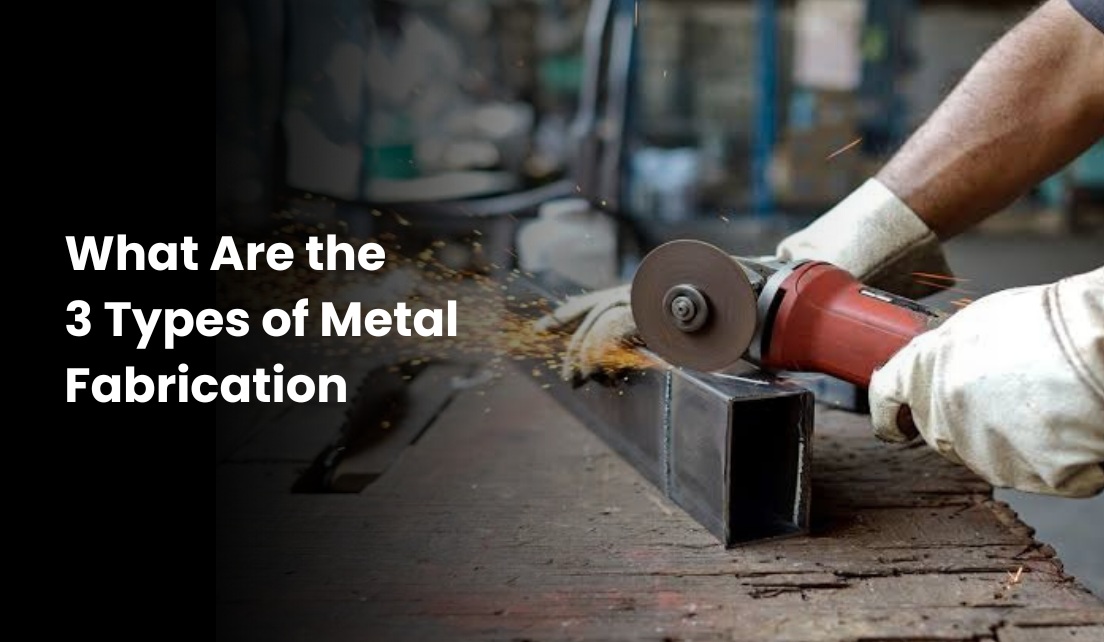
Metal fabrication sits quietly behind almost everything people use every day. From building frames and machinery parts to custom railings and industrial equipment, fabricated metal shapes modern life. Yet many business owners, engineers, and even homeowners still ask a simple question before starting a project. What are the three types of metal fabrication, and which one is right for the job?
In 2026, this question matters more than ever. Projects are more specialized, timelines are tighter, and quality expectations keep rising. Understanding the core types of metal fabrication helps buyers make smarter decisions, avoid costly mistakes, and choose the right fabricator from the start.
This guide explains the three main types of metal fabrication in clear terms, with real-world examples and practical insights. It also highlights how experienced shops like Blue Creek Iron Works apply these methods to deliver durable, precise, and cost-effective results.
Understanding Metal Fabrication: A Quick Overview
Metal fabrication is the process of transforming raw metal into usable parts, structures, or finished products. It involves a series of controlled steps using tools, machines, and skilled labor. These steps can include cutting, shaping, joining, and finishing metal to meet exact specifications.
Fabrication is used across industries such as construction, automotive, manufacturing, energy, agriculture, and commercial design. While the end products vary widely, most fabrication work falls into three primary categories:
- Cutting
- Bending and forming
- Welding and assembly
Each type serves a specific purpose, and most real projects use a combination of all three. Understanding how each one works makes it easier to plan a project and evaluate fabrication services with confidence.
Type 1: Metal Cutting Fabrication
What Is Metal Cutting?
Metal cutting is the first and most fundamental type of metal fabrication. It involves slicing raw metal sheets, plates, bars, or tubes into specific sizes and shapes. Accuracy at this stage is critical because every later step depends on how well the metal is cut.
In 2026, cutting methods have become faster and more precise, but the goal remains the same: clean edges, minimal waste, and exact dimensions.
Common Metal Cutting Methods
Several cutting techniques are widely used depending on the material, thickness, and project requirements.
a) Laser Cutting
Laser cutting uses a focused beam of light to cut metal with high precision. It is ideal for intricate designs, tight tolerances, and thin to medium-thickness materials. Many custom metal fabrication shops rely on laser cutting for decorative panels, brackets, and detailed components.
b) Plasma Cutting
Plasma cutting uses electrically charged gas to cut through thicker metals such as steel and aluminum. It is faster than laser cutting for heavy-duty applications and commonly used in structural metal fabrication.
c) Waterjet Cutting
Waterjet cutting uses high-pressure water mixed with abrasive materials. It produces clean cuts without heat, making it suitable for metals that could warp under high temperatures.
d) Shearing and Sawing
These traditional methods are still used for straight cuts and high-volume work where extreme precision is not required.
Where Metal Cutting Is Used
Metal cutting fabrication is used in nearly every industry, including:
- Structural steel beams for buildings
- Machine parts and enclosures
- Custom metal signs and panels
- Automotive and industrial components
At Blue Creek Iron Works, cutting is treated as a precision process, not a shortcut. Accurate cutting reduces rework, saves material, and ensures smoother fabrication downstream.
Type 2: Metal Bending and Forming Fabrication
What Is Metal Bending and Forming?
Once metal is cut to size, it often needs to be shaped. Metal bending and forming fabrication reshapes flat or straight metal into angles, curves, channels, and complex profiles without removing material.
This process adds strength and functionality while maintaining the integrity of the metal.
Key Bending and Forming Techniques
a) Press Brake Bending
Press brakes use controlled force to bend metal at specific angles. This method is common for brackets, frames, cabinets, and enclosures.
b) Roll Forming
Roll forming passes metal through a series of rollers to create consistent shapes. It is often used for long components such as rails, panels, and channels.
c) Stamping
Stamping uses dies and presses to form metal into predefined shapes. It is ideal for high-volume production runs.
d) Tube and Pipe Bending
This method shapes round or square tubing without collapsing it. It is widely used for handrails, frames, and support structures.
Why Bending and Forming Matter
Bending and forming do more than change shape. They improve strength, reduce the need for welding, and create parts that fit together seamlessly. Poor bending can lead to cracks, uneven angles, and weak points that compromise safety.
Experienced metal fabrication services understand how different metals respond to force. Steel, aluminum, and stainless steel all behave differently during forming, and skill plays a major role in consistent results.
Type 3: Welding and Metal Assembly Fabrication
What Is Welding and Assembly?
Welding and assembly bring everything together. This type of metal fabrication joins individual parts into a complete structure or product. It requires both technical knowledge and craftsmanship.
Welding is often the most visible part of fabrication, and it directly affects strength, appearance, and longevity.
Common Welding Methods
a) MIG Welding
Metal Inert Gas welding is widely used for its speed and versatility. It works well for structural steel and general fabrication projects.
b) TIG Welding
Tungsten Inert Gas welding offers cleaner, more precise welds. It is often used for stainless steel, aluminum, and projects where appearance matters.
c) Stick Welding
Stick welding is durable and effective for outdoor or heavy-duty applications, especially where conditions are less controlled.
Assembly Beyond Welding
Assembly also includes:
- Bolting and fastening
- Riveting
- Aligning and fitting components
- Integrating moving or mechanical parts
At Blue Creek Iron Works, assembly is handled with a focus on structural integrity and long-term performance. Proper alignment and secure joints prevent failures and extend the life of the finished product.
How the 3 Types of Metal Fabrication Work Together
Although these are three distinct types of metal fabrication, they rarely operate in isolation. A typical project flows through all three stages.
For example, a custom steel staircase may involve:
1. Cutting steel plates and tubes to size
2. Bending handrails and step supports
3. Welding and assembling the full structure
Each step builds on the last. A mistake early in the process can ripple through the entire project. This is why choosing a fabricator with end-to-end capabilities matters.
Full-service metal fabrication shops coordinate cutting, forming, and welding under one roof. This improves quality control, speeds up production, and reduces costs.
Choosing the Right Metal Fabrication Partner in 2026
What Buyers Should Look For
When evaluating metal fabrication services, buyers should consider more than just price. Key factors include:
- Experience with similar projects
- In-house cutting, bending, and welding capabilities
- Material expertise across steel, aluminum, and stainless steel
- Quality control processes
- Clear communication and realistic timelines
In 2026, demand for custom metal fabrication continues to grow. Projects are more specialized, and off-the-shelf solutions often fall short. Working with a skilled fabricator ensures the final product meets both functional and aesthetic goals.
Why Experience Still Matters
Advanced machines help, but skilled hands and informed decisions still make the difference. Understanding metal behavior, load requirements, and finishing details cannot be automated entirely.
As a leading fabricator, Blue Creek Iron Works combines modern equipment with hands-on expertise. This balance allows them to deliver reliable results across structural, commercial, and custom fabrication projects.
Commercial Applications of Metal Fabrication
The three types of metal fabrication support a wide range of commercial uses, including:
- Structural frames and supports
- Industrial equipment and platforms
- Architectural metal features
- Custom railings and staircases
- Machinery components
Businesses investing in metal fabrication benefit from durability, customization, and long-term value. Proper fabrication reduces maintenance, improves safety, and enhances visual appeal.
Using professional metal fabrication services also ensures compliance with industry standards and local regulations, which is critical for commercial and industrial projects.
Conclusion:
Understanding the three types of metal fabrication cutting, bending and forming, and welding and assembly gives buyers a clear advantage. It helps them ask better questions, evaluate proposals accurately, and choose the right fabrication partner. In 2026, successful projects rely on precision, coordination, and experience at every stage. Whether the need is structural steel, custom metalwork, or industrial components, the fundamentals of fabrication remain the same.
For those planning a project, working with an experienced shop like Blue Creek Iron Works ensures each fabrication step is handled with care, skill, and accountability. When cutting is precise, forming is accurate, and welding is strong, the final product speaks for itself.
Now is the right time to approach metal fabrication with clarity and confidence. Partner with a fabricator that understands all three types of metal fabrication and knows how to apply them to real-world results.