Difference Between Steel Fabrication and Metal Fabrication

What Is the Difference Between Steel Fabrication and Metal Fabrication?

Many people searching for fabrication services often use the terms steel fabrication and metal fabrication interchangeably. At first glance, that seems reasonable. After all, steel is a metal. But in professional manufacturing and construction settings, these two terms do not always mean the same thing.

Understanding the difference matters more than most people realize. Choosing the wrong type of fabrication can affect project cost, durability, timelines, and even safety. This article explains the real difference between steel fabrication and metal fabrication in clear, practical terms. It also shows when each process is used, what materials are involved, and how to choose the right option for your project.

By the end, readers will have a solid understanding of both processes and know exactly which one fits their needs best.

Steel Fabrication Explained: A Specialized and Structural Process

Steel fabrication refers specifically to the cutting, shaping, welding, and assembling of steel to create structures or components. Steel is chosen for its strength, load-bearing capacity, and long-term reliability, especially in demanding environments.

What Makes Steel Unique?

Steel is an alloy made primarily from iron and carbon. Its composition gives it several advantages:

  • High tensile strength
  • Excellent resistance to impact
  • Long service life
  • Ability to handle heavy loads

Because of these qualities, steel fabrication is most often associated with large-scale and structural projects.

Common Steel Fabrication Applications

Steel fabrication is widely used in:

  • Commercial and industrial buildings
  • Warehouses and factories
  • Bridges and flyovers
  • Structural beams, columns, and frames
  • Heavy machinery components

Leading fabricators like Blue Creek Iron Works specialize in precision steel fabrication for projects where strength and accuracy cannot be compromised.

Typical Steel Fabrication Process

Steel fabrication usually follows a structured workflow:

  1. Design and detailing using engineering drawings
  2. Cutting through laser cutting, plasma cutting, or sawing
  3. Forming using bending and rolling machines
  4. Welding and assembly
  5. Surface finishing such as galvanizing or painting

This process is tightly controlled because steel components often play a critical role in safety and structural integrity.

Metal Fabrication Explained: A Broader and More Versatile Category

Metal fabrication is a broader term that includes the fabrication of all types of metals, including steel. It covers a wide range of materials and applications, from light decorative work to industrial components.

Metals Used in Metal Fabrication

Unlike steel fabrication, metal fabrication may involve:

  • Aluminum
  • Stainless steel
  • Copper
  • Brass
  • Mild steel
  • Galvanized iron

Each metal has different properties, making metal fabrication suitable for a wider variety of products.

Common Metal Fabrication Applications

Metal fabrication is commonly used for:

  • Architectural features and railings
  • HVAC ducts and enclosures
  • Cabinets and panels
  • Automotive parts
  • Signage and decorative elements
  • Light industrial components

Because of its flexibility, metal fabrication is often chosen for projects that require customization, lighter weight, or corrosion resistance.

Typical Metal Fabrication Process

The metal fabrication process depends on the material used but often includes:

  • Cutting and shearing
  • Punching and stamping
  • Bending and forming
  • Welding or fastening
  • Finishing and coating

While steel fabrication focuses on strength, metal fabrication balances strength, appearance, and functionality.

Key Differences Between Steel Fabrication and Metal Fabrication

Although steel fabrication falls under the larger metal fabrication category, there are important differences between the two.

1. Material Scope

  • Steel fabrication works exclusively with steel
  • Metal fabrication includes steel plus many other metals

This makes metal fabrication more flexible in terms of material choice.

2. Strength and Load Capacity

Steel fabrication is preferred for heavy-duty and structural projects due to steel’s high load-bearing capacity. Metal fabrication may involve lighter metals like aluminum, which are not suitable for structural loads but excel in other areas.

3. Project Scale and Purpose

Steel fabrication is commonly used in large construction and infrastructure projects. Metal fabrication often supports smaller-scale, functional, or decorative applications.

4. Cost Considerations

Steel fabrication can be more expensive due to material cost, specialized labor, and compliance requirements. Metal fabrication may offer cost savings when lighter or less complex materials are suitable.

5. Design Flexibility

Metal fabrication offers greater flexibility in design, shapes, and finishes. Steel fabrication is more focused on engineering precision and structural performance.

Steel Fabrication vs Metal Fabrication in Real-World Projects

Understanding the difference becomes easier when looking at real examples.

Example 1: Commercial Building Frame

A multi-story commercial building requires steel beams, columns, and load-bearing components. This project clearly falls under steel fabrication due to safety and strength requirements.

Example 2: Office Interior Railings

Decorative stair railings or partitions may use stainless steel or aluminum. This is a metal fabrication project, even though steel may still be involved.

Example 3: Industrial Equipment Housing

Protective enclosures for machines may be fabricated using mild steel sheets or aluminum panels. This would typically be handled through metal fabrication.
Fabricators like Blue Creek Iron Works often provide both steel fabrication and metal fabrication services, helping clients choose the right approach based on application, budget, and performance needs.

How to Choose Between Steel Fabrication and Metal Fabrication

Selecting the right fabrication method depends on several practical factors.

1. Consider Load and Safety Requirements

If the component must support weight or withstand stress, steel fabrication is usually the correct choice.

2. Evaluate Environmental Conditions

For outdoor or corrosive environments, stainless steel or aluminum metal fabrication may perform better without extensive coatings.

3. Review Budget and Timeline

Steel fabrication may involve longer lead times and higher costs. Metal fabrication can sometimes be faster and more economical for non-structural parts.

4. Think About Aesthetics and Finish

Metal fabrication allows for polished finishes, unique shapes, and decorative detailing that may not be practical in heavy steel structures.

Working with an experienced fabricator helps ensure these factors are evaluated correctly from the start.

Why Experience Matters in Fabrication Services

Fabrication is not just about cutting and welding metal. It requires deep knowledge of materials, engineering standards, and real-world performance.
An experienced fabricator understands:

  • Which metal performs best in specific conditions
  • How fabrication tolerances affect assembly
  • The importance of compliance with safety standards
  • How to balance strength, cost, and appearance

As a leading fabricator, Blue Creek Iron Works brings hands-on expertise to both steel fabrication and metal fabrication projects. This ensures that every component is built for durability, accuracy, and long-term use.

Conclusion: Making the Right Fabrication Choice

The difference between steel fabrication and metal fabrication comes down to material focus, application, and performance requirements. Steel fabrication specializes in strength-driven, structural work, while metal fabrication offers versatility across a wide range of metals and uses. Understanding this distinction helps project owners, contractors, and designers make smarter decisions. It also reduces costly mistakes and ensures that fabricated components perform as intended.

For projects that demand precision, reliability, and expert guidance, working with an established fabrication partner makes all the difference. Blue Creek Iron Works provides professional steel fabrication and metal fabrication services tailored to each project’s specific needs.

To discuss your next fabrication requirement or request a consultation, connect with Blue Creek Iron Works today and ensure your project is built on a solid foundation.
Read More
Types of Metal Fabrication

What Are the 3 Types of Metal Fabrication (2026)

Metal fabrication sits quietly behind almost everything people use every day. From building frames and machinery parts to custom railings and industrial equipment, fabricated metal shapes modern life. Yet many business owners, engineers, and even homeowners still ask a simple question before starting a project. What are the three types of metal fabrication, and which one is right for the job?

In 2026, this question matters more than ever. Projects are more specialized, timelines are tighter, and quality expectations keep rising. Understanding the core types of metal fabrication helps buyers make smarter decisions, avoid costly mistakes, and choose the right fabricator from the start.

This guide explains the three main types of metal fabrication in clear terms, with real-world examples and practical insights. It also highlights how experienced shops like Blue Creek Iron Works apply these methods to deliver durable, precise, and cost-effective results.

Understanding Metal Fabrication: A Quick Overview

Metal fabrication is the process of transforming raw metal into usable parts, structures, or finished products. It involves a series of controlled steps using tools, machines, and skilled labor. These steps can include cutting, shaping, joining, and finishing metal to meet exact specifications.

Fabrication is used across industries such as construction, automotive, manufacturing, energy, agriculture, and commercial design. While the end products vary widely, most fabrication work falls into three primary categories:

  • Cutting
  • Bending and forming
  • Welding and assembly

Each type serves a specific purpose, and most real projects use a combination of all three. Understanding how each one works makes it easier to plan a project and evaluate fabrication services with confidence.

Type 1: Metal Cutting Fabrication

What Is Metal Cutting?

Metal cutting is the first and most fundamental type of metal fabrication. It involves slicing raw metal sheets, plates, bars, or tubes into specific sizes and shapes. Accuracy at this stage is critical because every later step depends on how well the metal is cut.

In 2026, cutting methods have become faster and more precise, but the goal remains the same: clean edges, minimal waste, and exact dimensions.

Common Metal Cutting Methods

Several cutting techniques are widely used depending on the material, thickness, and project requirements.

a) Laser Cutting

Laser cutting uses a focused beam of light to cut metal with high precision. It is ideal for intricate designs, tight tolerances, and thin to medium-thickness materials. Many custom metal fabrication shops rely on laser cutting for decorative panels, brackets, and detailed components.

b) Plasma Cutting

Plasma cutting uses electrically charged gas to cut through thicker metals such as steel and aluminum. It is faster than laser cutting for heavy-duty applications and commonly used in structural metal fabrication.

c) Waterjet Cutting

Waterjet cutting uses high-pressure water mixed with abrasive materials. It produces clean cuts without heat, making it suitable for metals that could warp under high temperatures.

d) Shearing and Sawing

These traditional methods are still used for straight cuts and high-volume work where extreme precision is not required.

Where Metal Cutting Is Used

Metal cutting fabrication is used in nearly every industry, including:

  • Structural steel beams for buildings
  • Machine parts and enclosures
  • Custom metal signs and panels
  • Automotive and industrial components

At Blue Creek Iron Works, cutting is treated as a precision process, not a shortcut. Accurate cutting reduces rework, saves material, and ensures smoother fabrication downstream.

Type 2: Metal Bending and Forming Fabrication

What Is Metal Bending and Forming?

Once metal is cut to size, it often needs to be shaped. Metal bending and forming fabrication reshapes flat or straight metal into angles, curves, channels, and complex profiles without removing material.
This process adds strength and functionality while maintaining the integrity of the metal.

Key Bending and Forming Techniques

a) Press Brake Bending

Press brakes use controlled force to bend metal at specific angles. This method is common for brackets, frames, cabinets, and enclosures.

b) Roll Forming

Roll forming passes metal through a series of rollers to create consistent shapes. It is often used for long components such as rails, panels, and channels.

c) Stamping

Stamping uses dies and presses to form metal into predefined shapes. It is ideal for high-volume production runs.

d) Tube and Pipe Bending

This method shapes round or square tubing without collapsing it. It is widely used for handrails, frames, and support structures.

Why Bending and Forming Matter

Bending and forming do more than change shape. They improve strength, reduce the need for welding, and create parts that fit together seamlessly. Poor bending can lead to cracks, uneven angles, and weak points that compromise safety.

Experienced metal fabrication services understand how different metals respond to force. Steel, aluminum, and stainless steel all behave differently during forming, and skill plays a major role in consistent results.

Type 3: Welding and Metal Assembly Fabrication

What Is Welding and Assembly?

Welding and assembly bring everything together. This type of metal fabrication joins individual parts into a complete structure or product. It requires both technical knowledge and craftsmanship.
Welding is often the most visible part of fabrication, and it directly affects strength, appearance, and longevity.

Common Welding Methods

a) MIG Welding

Metal Inert Gas welding is widely used for its speed and versatility. It works well for structural steel and general fabrication projects.

b) TIG Welding

Tungsten Inert Gas welding offers cleaner, more precise welds. It is often used for stainless steel, aluminum, and projects where appearance matters.

c) Stick Welding

Stick welding is durable and effective for outdoor or heavy-duty applications, especially where conditions are less controlled.

Assembly Beyond Welding

Assembly also includes:

  • Bolting and fastening
  • Riveting
  • Aligning and fitting components
  • Integrating moving or mechanical parts

At Blue Creek Iron Works, assembly is handled with a focus on structural integrity and long-term performance. Proper alignment and secure joints prevent failures and extend the life of the finished product.

How the 3 Types of Metal Fabrication Work Together

Although these are three distinct types of metal fabrication, they rarely operate in isolation. A typical project flows through all three stages.

For example, a custom steel staircase may involve:
1. Cutting steel plates and tubes to size
2. Bending handrails and step supports
3. Welding and assembling the full structure

Each step builds on the last. A mistake early in the process can ripple through the entire project. This is why choosing a fabricator with end-to-end capabilities matters.

Full-service metal fabrication shops coordinate cutting, forming, and welding under one roof. This improves quality control, speeds up production, and reduces costs.

Choosing the Right Metal Fabrication Partner in 2026

What Buyers Should Look For

When evaluating metal fabrication services, buyers should consider more than just price. Key factors include:

  • Experience with similar projects
  • In-house cutting, bending, and welding capabilities
  • Material expertise across steel, aluminum, and stainless steel
  • Quality control processes
  • Clear communication and realistic timelines

In 2026, demand for custom metal fabrication continues to grow. Projects are more specialized, and off-the-shelf solutions often fall short. Working with a skilled fabricator ensures the final product meets both functional and aesthetic goals.

Why Experience Still Matters

Advanced machines help, but skilled hands and informed decisions still make the difference. Understanding metal behavior, load requirements, and finishing details cannot be automated entirely.
As a leading fabricator, Blue Creek Iron Works combines modern equipment with hands-on expertise. This balance allows them to deliver reliable results across structural, commercial, and custom fabrication projects.

Commercial Applications of Metal Fabrication

The three types of metal fabrication support a wide range of commercial uses, including:

  • Structural frames and supports
  • Industrial equipment and platforms
  • Architectural metal features
  • Custom railings and staircases
  • Machinery components

Businesses investing in metal fabrication benefit from durability, customization, and long-term value. Proper fabrication reduces maintenance, improves safety, and enhances visual appeal.
Using professional metal fabrication services also ensures compliance with industry standards and local regulations, which is critical for commercial and industrial projects.

Conclusion:

Understanding the three types of metal fabrication cutting, bending and forming, and welding and assembly gives buyers a clear advantage. It helps them ask better questions, evaluate proposals accurately, and choose the right fabrication partner. In 2026, successful projects rely on precision, coordination, and experience at every stage. Whether the need is structural steel, custom metalwork, or industrial components, the fundamentals of fabrication remain the same.

For those planning a project, working with an experienced shop like Blue Creek Iron Works ensures each fabrication step is handled with care, skill, and accountability. When cutting is precise, forming is accurate, and welding is strong, the final product speaks for itself.

Now is the right time to approach metal fabrication with clarity and confidence. Partner with a fabricator that understands all three types of metal fabrication and knows how to apply them to real-world results.

Read More
Advantages of Stainless Steel Fabrication

Advantages of Stainless Steel Fabrication Over Other Metals

From modern architecture to heavy machinery, metal fabrication forms the backbone of today’s industrial world. But not all metals perform equally when it comes to strength, longevity, and visual appeal. Among the many options—such as aluminum, mild steel, and copper—stainless steel fabrication continues to set the standard for performance and reliability.

What makes stainless steel so valuable in fabrication? The answer lies in its unique blend of durability, resistance, and design flexibility. This article explores the key advantages of stainless steel fabrication over other metals, with practical examples from industries that depend on it every day.

1. Superior Corrosion and Rust Resistance

One of the biggest advantages of stainless steel fabrication is its natural ability to resist corrosion. Unlike mild steel, which rusts when exposed to moisture and oxygen, stainless steel forms a thin protective layer called a chromium oxide film. This invisible barrier prevents oxidation and extends the metal’s life span dramatically.

A Built-in Protective Shield

Stainless steel contains at least 10.5% chromium. This chromium reacts with oxygen in the environment, creating a self-healing surface that protects it from rust—even after scratches or minor damage. This feature makes stainless steel ideal for outdoor structures, kitchen equipment, marine environments, and chemical plants.

Example:
Industrial food processors often prefer stainless steel tanks and conveyors because they can handle constant washing, exposure to cleaning agents, and temperature changes without corrosion or contamination—something regular steel or aluminum can’t match.

2. Exceptional Strength and Durability

Durability is another core reason why businesses invest in stainless steel. It withstands impact, pressure, and temperature extremes far better than many alternative metals.

Built for Long-Term Performance

Stainless steel maintains its structural integrity even under heavy loads or harsh environments. Whether used in skyscraper frames or precision medical tools, it offers a long operational life with minimal maintenance.

Compared to aluminum, which is lightweight but softer, stainless steel provides superior tensile strength and toughness. Even when fabricated into thin sheets or complex shapes, it doesn’t warp easily—making it a favorite material for stainless steel fabricators who prioritize both performance and precision.

Example:
In the construction sector, stainless steel beams and supports often outperform carbon steel because they maintain strength under heat and stress—especially in buildings designed to withstand fire or seismic activity.

3. Easy to Clean and Hygienic

Hygiene plays a vital role in industries such as healthcare, pharmaceuticals, and food production. Stainless steel’s smooth, non-porous surface makes it exceptionally easy to clean, which is why it’s the first choice in places where sanitation is non-negotiable.

A Safe Surface for Sensitive Environments

Unlike other metals that may harbor bacteria or react with chemicals, stainless steel doesn’t absorb contaminants. It can be sterilized quickly using steam, detergents, or disinfectants without compromising its structure or finish.

Example:
Hospitals use stainless steel for surgical instruments, trays, and countertops because it can be sterilized repeatedly while maintaining a clean, professional appearance. In contrast, metals like copper or iron may tarnish, pit, or degrade under the same conditions.

4. Design Flexibility and Aesthetic Appeal

Beyond performance, stainless steel offers a clean, timeless look that suits both industrial and architectural applications. From polished finishes in luxury kitchens to matte textures in industrial machinery, it delivers versatility that few metals can match.

A Material for Both Form and Function

Stainless steel can be cut, welded, bent, and molded into complex shapes without losing its strength. It supports modern design trends that demand precision and minimalism. The availability of finishes—from mirror-polished to brushed or patterned—makes it ideal for aesthetic applications in interior design, facades, and public installations.

Example:
Architectural firms often choose stainless steel railings and claddings for their durability and shine. While aluminum may oxidize and require coating, stainless steel maintains its luster for years with minimal upkeep.

5. High Temperature and Pressure Resistance

Stainless steel can withstand both extremely hot and cold conditions, which makes it indispensable in industries like oil and gas, power generation, and transportation.

Consistent Strength in Extreme Conditions

Certain grades, such as 304 and 316 stainless steel, retain their mechanical strength and resist scaling even at temperatures exceeding 800°C. This performance is unmatched by metals like aluminum, which loses structural integrity at high heat.

Example:
Power plants rely on stainless steel piping and pressure vessels to handle steam and high-pressure environments. Its resistance to thermal expansion and oxidation ensures consistent performance and safety—an advantage that directly impacts operational reliability.

6. Sustainability and Long-Term Value

As industries shift toward environmentally conscious choices, stainless steel fabrication offers a clear advantage. It’s 100% recyclable, and most stainless steel products today contain a significant portion of recycled material.

Built to Last—and to Reuse

Unlike coatings or galvanization processes that eventually wear off, stainless steel’s corrosion resistance is inherent. This reduces waste, maintenance costs, and replacement frequency, contributing to long-term sustainability.

Example:
In architectural projects, using stainless steel components can reduce the building’s lifecycle cost. Though the initial investment might be higher compared to mild steel, the reduced maintenance and extended lifespan provide greater value over time.

7. Low Maintenance and Cost Efficiency

While stainless steel can be more expensive upfront than metals like carbon steel or aluminum, its maintenance costs are far lower in the long run.

A Smart Investment

Because stainless steel resists corrosion, staining, and mechanical damage, it doesn’t require protective coatings or frequent repairs. Cleaning typically involves just mild detergents and water—no special chemicals or repainting needed.

Example:
Public infrastructure projects, such as bridges or rail stations, often use stainless steel fixtures to minimize long-term upkeep. The material’s durability reduces the need for periodic replacements, saving both time and money.

8. Safety and Fire Resistance

Safety is another underrated advantage of stainless steel fabrication. It retains its strength at high temperatures and doesn’t release toxic fumes when exposed to fire, unlike some coated metals or alloys.

Dependable in Critical Situations

This makes stainless steel a preferred choice for high-risk environments such as chemical processing facilities, transportation hubs, and public buildings. Its fire resistance not only adds structural safety but also meets regulatory compliance standards more easily than other materials.

Example:
In commercial kitchens, stainless steel is used for hoods, counters, and fittings because it won’t melt, burn, or emit gases under intense heat—protecting both people and property.

Conclusion

Across industries—from construction to healthcare—stainless steel remains the material of choice for those who value reliability, hygiene, and longevity. Its combination of strength, corrosion resistance, and design flexibility gives it a clear edge over other metals.

Whether you’re building high-performance equipment, architectural structures, or precision components, choosing stainless steel fabrication ensures long-term value and peace of mind. Partnering with a trusted stainless steel fabricator can help you achieve the right balance between performance, cost, and aesthetics for any project.

If you’re planning your next fabrication project, consider the advantages of stainless steel—not just for its strength, but for its enduring quality that keeps working for years to come.

Read More
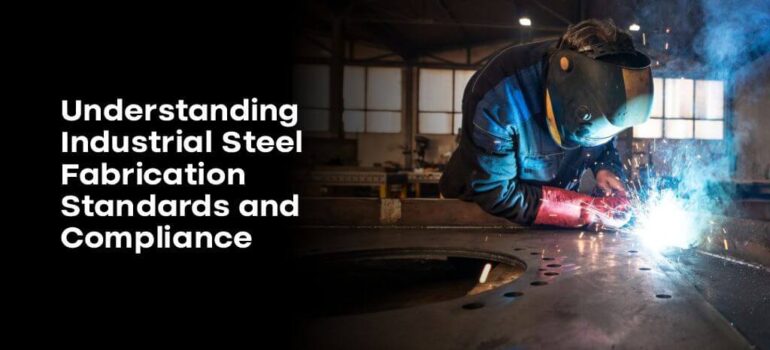
Industrial Steel Fabrication Standards and Compliance

Understanding Industrial Steel Fabrication Standards and Compliance

In the industrial world, precision and consistency are everything. Whether constructing large-scale factories, oil refineries, or structural frameworks, industrial steel fabrication is the foundation of reliability and safety. Every weld, cut, and joint must meet exact specifications—not just for performance, but also for compliance with strict international standards.

These standards ensure that fabricated steel structures can withstand stress, environmental exposure, and operational demands over time. For companies investing in large-scale projects, compliance isn’t just a box to tick—it’s the difference between long-term success and costly structural failures.

This article explains the key industrial steel fabrication standards and compliance requirements, how they impact project outcomes, and what to look for when choosing an industrial steel fabricator that meets those standards.

What Is Industrial Steel Fabrication?

At its core, industrial steel fabrication involves cutting, shaping, and assembling steel into products or structures used across industries like construction, manufacturing, oil and gas, and power generation. Unlike general fabrication, industrial fabrication demands higher precision, larger scale, and strict adherence to engineering drawings and safety codes.

The process often includes:

  • Design and planning: Engineers translate project specifications into detailed blueprints and 3D models.
  • Cutting and forming: Steel plates and sections are cut using plasma, laser, or waterjet technology and shaped with bending or rolling machines.
  • Assembly and welding: Individual parts are joined using approved welding techniques that comply with national or international codes.
  • Finishing and quality checks: Coating, painting, and non-destructive testing ensure the finished product meets performance and safety standards.

Every stage is guided by well-defined standards, which vary by country and project type.

Key Industrial Steel Fabrication Standards You Should Know

Understanding which standards apply to your project is crucial for compliance and quality assurance. Below are the most recognized international and regional standards that govern industrial fabrication.

a. ISO 9001 – Quality Management Systems

ISO 9001 sets the foundation for consistent quality across manufacturing processes. For fabricators, it ensures that all procedures—from material sourcing to delivery—are documented, traceable, and continuously improved. A fabricator certified to ISO 9001 is more likely to maintain strict quality control, which reduces risk for the client.

b. ISO 3834 – Welding Quality Requirements

This standard is critical in fabrication where welding integrity is essential. ISO 3834 outlines the qualifications of welders, inspection methods, and documentation requirements to ensure strong, defect-free welds. Many large-scale industrial projects require compliance with ISO 3834 before fabrication begins.

c. EN 1090 – Structural Steel and Aluminium Standards

EN 1090 applies to fabricators supplying steel structures within the European Union. It ensures that all components are produced under controlled factory conditions and meet CE marking requirements. Even companies outside the EU often follow EN 1090 as a benchmark for global projects.

d. AWS D1.1 – American Welding Society Structural Welding Code

For projects in the U.S. or those adhering to American standards, AWS D1.1 is the reference point. It covers materials, design, fabrication, inspection, and qualification of welding personnel. Many international clients prefer fabricators familiar with both EN and AWS standards for flexibility across regions.

e. ASME Standards – Pressure and Piping Systems

In industries like oil and gas or chemical processing, the American Society of Mechanical Engineers (ASME) standards—particularly ASME Section VIII for pressure vessels and ASME B31 for piping—ensure that fabricated systems can safely handle high pressures and temperatures.

Each of these standards contributes to consistent quality, safety, and durability. The best industrial steel fabricators often work under multiple certifications to meet global expectations.

The Importance of Compliance in Steel Fabrication

Compliance isn’t only about meeting legal requirements; it’s a marker of trust, professionalism, and accountability. A non-compliant structure can lead to severe risks, such as:

  • Structural failure: Poor welding or substandard materials can compromise strength.
  • Operational downtime: Rework or replacement delays can affect entire supply chains.
  • Regulatory penalties: Violating industry codes can attract fines or project shutdowns.
  • Reputation damage: One quality failure can impact long-term business credibility.

Compliance also simplifies project approvals and inspections. When fabrication follows certified standards, clients and regulators can verify quality more efficiently, avoiding disputes and unnecessary rework.

Steps to Ensure Fabrication Standards Are Met

Meeting compliance standards requires a combination of skilled personnel, structured processes, and rigorous documentation. Here’s how top industrial steel fabricators ensure every project aligns with international requirements.

a. Material Traceability

Every steel component should be traceable back to its source. Reputable fabricators maintain material test certificates (MTCs) that verify chemical composition, mechanical strength, and origin.

b. Qualified Welding Personnel

Welders must be qualified according to standards like ISO 9606 or AWS D1.1. This ensures they can produce consistent results under varying conditions and joint configurations.

c. Inspection and Testing

Non-destructive testing (NDT) methods such as ultrasonic, magnetic particle, or radiographic testing are used to detect internal flaws without damaging the material. Independent inspectors or third-party agencies often validate these results.

d. Document Control and Record Keeping

Every step of the fabrication process is documented—from welding parameters to inspection reports. This transparency supports audits and ensures accountability.

e. Continuous Improvement Systems

Fabricators with an ISO 9001-certified system review their processes regularly to identify and correct inefficiencies. This proactive approach maintains quality over time.

5. Regional and Project-Specific Compliance Factors

Not all projects follow the same standards. Different industries and regions have specific compliance needs.

a. Oil, Gas, and Petrochemical Projects

These projects often require adherence to ASME, API (American Petroleum Institute), and NORSOK standards due to their demanding operational environments.

b. Infrastructure and Construction

Public infrastructure projects typically follow EN 1090 or BS EN standards to ensure structural integrity and CE marking compliance.

c. Energy and Power Plants

Fabricators working in this sector must often comply with ISO 3834, ASME, and local regulatory codes. Components must withstand high thermal and pressure variations.

d. Defense and Aerospace Applications

These sectors demand extremely tight tolerances and traceability, with additional quality requirements like NADCAP for special processes.

Understanding which standards apply to each project ensures smoother execution and inspection approval.

6. How to Choose a Reliable Industrial Steel Fabricator

Selecting the right industrial steel fabricator can make or break a project. Here are key points to consider:

  • Certifications: Confirm that the company holds relevant certifications like ISO 9001, ISO 3834, or EN 1090.
  • Experience: Choose fabricators with proven expertise in your industry sector. Ask for references or case studies.
  • Facility Capabilities: Inspect the workshop setup. Look for advanced machinery, dedicated QA/QC teams, and proper material handling systems.
  • Quality Assurance: Ensure they have robust inspection and documentation protocols.
  • Client Communication: Clear reporting and project updates indicate professionalism and accountability.

Working with a certified fabricator doesn’t just meet compliance requirements—it saves time, reduces risk, and ensures dependable results.

Common Challenges in Maintaining Fabrication Compliance

Even experienced fabricators face challenges in staying compliant. These typically include:

  • Evolving standards: Codes are frequently updated, requiring ongoing staff training and certification renewals.
  • Supply chain inconsistencies: Substandard or uncertified materials can compromise compliance.
  • Documentation lapses: Missing records during audits can cause project delays.
  • Skill shortages: Qualified welders and inspectors are in high demand but limited in number.

To overcome these, top-performing fabricators invest in training, adopt digital tracking systems, and maintain strong relationships with certified suppliers.

The Future of Standards in Industrial Steel Fabrication

Technology is reshaping compliance and quality management. With digital fabrication tools, IoT sensors, and AI-based inspection systems, maintaining consistent standards is becoming more streamlined.

For example:

  • 3D scanning and modelling help verify structural accuracy in real time.
  • Automated welding systems ensure uniform weld quality across high-volume production.
  • Cloud-based documentation allows clients and auditors to access fabrication records instantly.

These innovations not only improve compliance but also enhance efficiency, traceability, and sustainability.

Conclusion

Strong, reliable steel structures begin with a commitment to quality and compliance. Understanding and adhering to fabrication standards ensures safety, longevity, and performance in every project.

When selecting an industrial steel fabricator, prioritize certifications, documented processes, and a transparent quality assurance system. The right partner doesn’t just meet standards—they exceed them, ensuring your projects are built to last.

For more insights on quality-driven industrial steel fabrication, connect with a certified fabricator who aligns with your project’s technical and compliance goals.

Read More
metal fabrication alabama

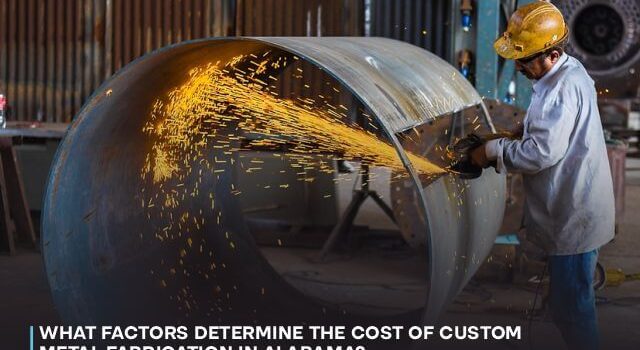
What Factors Determine the Cost of Custom Metal Fabrication in Alabama?

When a business or individual in Alabama commissions a custom metal fabrication project, the final cost can vary widely—from modest sums for simple parts to tens of thousands of dollars for large-scale or highly intricate jobs. For organizations working with or considering an experienced shop like Blue Creek Iron Works, understanding the variables that shape pricing is essential.

This article outlines the key factors that determine how much custom metal fabrication costs in Alabama, offering clear insight and examples to help make informed decisions. Whether you’re seeking support from local specialists in Alabama metal fabricators or comparing proposals, the deeper you understand the cost drivers, the better your outcome.

1. Material Selection — The Foundation of Cost

One of the most significant cost drivers in any fabrication project is the material chosen. This includes the type of metal, its alloy, grade, thickness, and how much waste or scrap is involved.

1.1 Metal Type and Grade

Common metals include carbon steel, stainless steel, aluminum, copper, and more exotic alloys. Each has a different price per pound or square foot and different fabrication challenges. For instance, stainless steel is more expensive than basic carbon steel due to corrosion resistance and machining demands. Similarly, aluminum may cost more than plain steel but offers benefits like lighter weight and rust resistance.

1.2 Thickness, Size, and Shape

The thickness of the material influences both the cost of the metal itself and the processing. Thicker or larger pieces mean more raw material and more machine time (for cutting, bending, welding), which increases labour and operational cost. As one expert explains: “the single largest factor … is the type and quantity of raw materials used.”
For example, fabricating a heavy steel support component with a ½-inch plate will cost significantly more than a decorative 16-gauge steel panel.

1.3 Material Availability & Market Volatility

Prices for raw metals fluctuate with global supply and demand, logistics, and regional sourcing. Using more readily available metals or standard gauges and sizes often helps keep budgets under control.
In Alabama, local supply channels and transport costs matter too: working with a nearby Alabama metal fabricator’s shop reduces freight and handling expenses, which affects your total cost.

1.4 Finishes and Secondary Materials

Beyond the raw metal, finish treatments (powder coat, galvanizing, anodizing) and any hardware (bolts, hinges, mounting plates) add to the material cost. These should be viewed as part of the “material” bucket rather than just the labour.
Example: Suppose a client wants a stainless steel outdoor structure for a facility in Alabama with a powder-coat finish. The stainless base metal is premium, and the finish adds further cost. A more economical alternative might use coated carbon steel if corrosion resistance demands are lower.

In short, the metal choice sets a major chunk of the budget. Early material decisions influence everything downstream—from machine choice to labour time to finishing.

2. Design Complexity and Project Requirements

Once material is selected, the design of the piece or assembly becomes the next big cost driver. The more complex the design, the more time, setup, and skill required.

2.1 Number of Operations and Processes

Each cut, bend, weld, or finish operation adds time. According to manufacturing-estimation literature, “the number of operations (flip of the part)… increases cost because of load/unload time, machine time, and programming.”
In fabrication shops, more steps mean more labour, more setup changeovers, and greater opportunity for delay or error. One guide listed design as a top factor: “the more intricate and detailed your design … the higher the costs will be.”
Example: A simple rectangular steel plate welded to two angle brackets will cost far less than a multi-piece assembly with curved bends, laser-cut features, custom holes, and secondary machining.

2.2 Tolerances, Welding, and Skill Level

Tight tolerances (how exact dimensions must be), specialty welding (TIG, automatic submerged arc), or precision machining all raise cost. A fabricator must allocate more experienced welders, more inspection, and rework risk increases.
Example: If a fabricated frame must align with existing piping or equipment to within ±0.010″, that precision drives up cost compared to general structural framework.

2.3 Quantity and Repeatability

One-offs almost always cost more per unit than large runs. Setup time, tooling, and operator time are amortised across volume. Many cost guides note quantity is key.
Example: Fabricating 100 identical railing segments will yield a lower cost per segment compared to making three custom segments, each with unique geometry.

2.4 Lead Time and Rush Jobs

If you require delivery on a tight schedule, that may force overtime labour, expedite material sourcing, or shift production ahead of other jobs. All these factors increase cost. Fabricators often charge premium rates for rush work.
Example: A project in Alabama with a two-week deadline might cost 20-30% more than one with eight weeks of lead time.

3. Labour, Equipment & Shop Overhead

Beyond materials and design, the fabrication shop’s labour rates, equipment usage, and indirect overhead significantly affect cost.

3.1 Skilled Labour Costs in Alabama

Fabrication requires highly skilled technicians: welders, machinists, CNC operators, and inspectors. Their time is a direct cost. Articles highlight that labour is a major portion of fabrication cost.
In Alabama, regional wages, local labour market, the shop’s skill level, and union/non‐union status all impact the labour rate. A high-end job may require specialist welders for certifications (e.g., D1.1 structural welding), which carry a premium cost.

3.2 Equipment, Machine Time, Set-Up

Modern fabrication uses laser cutters, CNC bending, automatic welding cells, plasma, waterjet, robotic welding, etc. These machines have a capital cost and must be amortised. For complex parts, machine time grows. One cost guide indicates machinery is a factor.
Also, tooling and setup count: if the job requires custom fixtures, bespoke jigs, or non-standard tools, these add upfront and per‐unit cost.
Example: A fabrication shop might charge a setup fee for a new part run or charge higher hourly rates for use of specialized machines.

3.3 Overhead, Shop Efficiency, and Waste

Indirect costs—insurance, facility rent, utilities, scrap material, equipment depreciation—also feed into per-hour or per-unit cost. Better-managed, efficient shops can often offer better pricing. As one blog explains: “Keeping a close eye on all these cost factors is necessary … you could end up with some unwanted surprises down the road when the bills start coming in.”
Tip for clients: When talking to Alabama metal fabricators, ask how many setup hours, how much machine time, and what the scrap allowance is.

4. Finishing, Testing, Certification, and Additional Services

Once the metal is shaped, welded, and assembled, the finishing steps add cost. Also, any required testing or certification (especially structural or transportation-related) can increase the total.

4.1 Finishes and Surface Treatments

Powder coating, painting, galvanizing, anodizing, sand-blasting, or polishing add cost. The more demanding the finish (colour matching, long warranties, weather resistance), the higher the cost. One cost guide notes finishing is a significant factor.
Example: A stainless steel sculpture may require electropolishing and protective clear coating; that finish may cost more than the fabrication itself.

4.2 Testing, Certification, and Quality Assurance

Projects that need to meet structural codes, welding certifications (AWS, D1.1), or aerospace/food-industry standards will involve extra inspection, non-destructive testing (NDT), documentation, and liability. These all add to the cost. Fabricators will load these as additional hours or per-unit surcharges.
Example: A custom metal frame used in a manufacturing line may require load testing and a certificate of compliance—these tests and paperwork add cost.

4.3 Delivery, Installation, and Logistics

Getting the finished fabricated part delivered and installed can affect cost, especially if large, heavy, or remote. Transport, rigging, onsite welds, or alignment all count. One cost breakdown notes shipping as a major variable.
Example: A heavy welded steel structure built by Alabama metal fabricators may cost more because the site is remote and requires specialized rigging for installation.

4.4 Maintenance and Life-Cycle Costs (Optional but Informative)

While not always included in initial fabrication cost, clients should consider life-cycle costs: maintenance, coatings over time, replacement parts, and corrosion protection. These don’t always show up in the quote, but can impact total lifetime cost. For instance, stainless steel may cost more initially but require less upkeep.
Example: A marine environment installation may use 316-grade stainless steel and expensive coatings, but lower maintenance means fewer interruptions and lower long-term cost.

5. Project Scale, Location, and Local Conditions

The broader context—how big the project is, where it will be fabricated/installed, and specific local conditions—also influences cost.

5.1 Order Volume and Unit Cost

As noted earlier, a quantity run spreads setup, tooling, and overhead across more units, so per-unit cost drops. Small bespoke pieces cost more per unit.
Example: An Alabama manufacturer needs 500 identical brackets: the per-bracket price from a fab shop in Alabama may be relatively low compared to 10 unique decorative panels.

5.2 Geography, Shipping, and Local Labour Rates

Even within the United States, regional labour rates differ. In Alabama, depending on whether the fabricator is in a rural or urban area, rates may vary. Also, shipping raw material into the region or finished pieces out affects cost. Choosing a local Alabama metal fabricator’s shop helps reduce freight and other logistics costs.
Example: Selecting a fabricator in central Alabama may cost less than importing parts from a distant state or shipping heavy assemblies across multiple states.

5.3 Site Conditions and Accessibility

Installation environments matter. If the worksite in Alabama has limited access, requires special permits, or restricts working hours, the fabricator might charge more. In quotes, you’ll typically see contingencies for difficult conditions.
Example: A fabrication job for a rooftop install in downtown Birmingham might involve crane usage, off-hours work, and traffic control—costs likely passed through by the fabricator.

5.4 Schedule Flexibility and Project Timing

When a schedule is tight or initiation is late, material lead times and shop capacity may push up the cost. Conversely, scheduling fabrication in slower months or giving a longer lead time may reduce the price.
Example: A project ordered in peak construction season may face delay or a premium for expedited materials and labour; a spring-season order might benefit from smoother flow and better pricing.

6. Real-World Example and Cost Ranges

To bring the above factors into tighter focus, let’s walk through a simplified example and provide broad cost ranges (bearing in mind each project is unique).

6.1 Example Scenario

Suppose a manufacturing facility in Alabama needs a custom steel frame:

  • Carbon steel (A36), ¼″ plate, welded assembly with six sides
  • Dimensions: 10 ft x 8 ft x 5 ft, moderate complexity
  • Finish: standard primer and industrial paint
  • Install onsite, moderate accessibility in Alabama.

Key cost drivers in this example:

  • Material: moderate grade steel, moderate thickness → reasonable cost.
  • Design: simple rectangular frame, moderate size → less complexity than curved or decorative work.
  • Labour: welding, machining, and finishing required.
  • Finishing: paint adds cost, but nothing exotic.
  • Installation & logistics: onsite in Alabama, moderate access → manageable.

In this case, a quoting fabricator will break out: material cost (steel + hardware), labour hours (cutting, welding, grinding, finishing), setup/tooling, finishing, transport & install.

6.2 Broad Cost Ranges

Industry data suggests:

  • For smaller sheet metal projects: average about US $1,500, range US $400–3,000.
  • Hourly labour rates for sheet metal fabrication: e.g., a compiled table shows $63.75/hr for sheet metal plus materials.
  • For structural or custom large-scale work: estimates of US $75–300 per hour plus materials.

Given our example above, in Alabama, the cost might run tens of thousands of dollars, depending on scale, access, and design complexity. If we estimate: material US $5,000, labour US $10,000, finishing & install US $3,000 → total US $18,000 (just illustrative). A more complex version (e.g., stainless, curved shapes, special finish) could easily double or triple that.

6.3 How to Interpret the Quote from Alabama Metal Fabricators

When receiving a quote from a shop like Blue Creek Iron Works (or any of the Alabama metal fabricators you engage):

  • Ask for an itemised breakdown (material, labour, finishing, installation).
  • Compare material grade and finish to ensure you’re comparing apples to apples.
  • Confirm lead time and any rush or premium charges.
  • Clarify the change orders or design revisions cost.
  • Understand installation/site conditions included or excluded.

7. How to Keep Costs Under Control (Without Sacrificing Quality)

Since costs can escalate quickly, here are practical ways to manage expenditure while still obtaining quality work.

7.1 Early Collaboration with the Fabricator

Engage your fabricator early—share drawings, budget, and schedule. A partner in Alabama metal fabricators can suggest material options, more economical fabrication methods, or design refinements to reduce cost. Early design review helps avoid expensive changes later.

7.2 Use Standard Materials and Avoid Over-Spec’ing

Select materials known to the industry; avoid exotic alloys if not needed. Using standard gauge plates, standard finishes rather than custom will reduce cost. As one guide recommends: “Using standard metal sizes can help you cut back on costs.”
When you don’t need specialty corrosion resistance or aerospace-level tolerances, avoid ordering those specs.

7.3 Simplify Design where Possible

Reduce bends, welds, custom features, and complexity. The fewer operations, the lower the labour cost. One article suggests: “With sheet metal parts… specialized design elements might look great … but taking them out … is good practice.”
Even small changes—like moving from curved weldments to folded angles—can yield noticeable cost savings.

7.4 Plan for Quantity & Batch Work

If feasible, increase the quantity or batch similar items together to achieve economies of scale. Ordering more units reduces per-unit setup amortisation. If you foresee future installs or expansions, discuss batch scheduling with your fabricator.

7.5 Allow Adequate Lead Time

Avoid needing rush production unless absolutely necessary. Give your fabricator enough time to secure material, schedule shop floor time, and avoid premium charges. Also, monitor material market trends so you’re not paying a premium for late-ordered steel.

7.6 Choose Proven Alabama Metal Fabricators with a Good Track Record

Selecting a reliable local shop with good efficiency and predictable quality reduces the risk of rework, delays, and extra costs. Cheap quotes may hide corners; quality issues drive cost up. As one blog warns: “Choosing a fabrication shop based solely on their pricing can put your project at risk.”
A trusted name like Blue Creek Iron Works can help ensure you get the balance of cost and quality right.

Conclusion

When evaluating custom metal fabrication costs in Alabama, it’s not simply about comparing quotes. It’s about understanding why a job costs what it does—and what levers you can control to stay within budget while achieving the required quality. The cost is driven by material selection, design complexity, labour and equipment, finishing and certification needs, and project scale and location. By working early with experienced Alabama metal fabricators like Blue Creek Iron Works, defining your specifications clearly, opting for standard materials where possible, and allowing realistic lead time, you can manage cost and risk.

If you have a project in mind—whether a storage rack, structural frame, decorative metalwork, or full assembly—contact Blue Creek Iron Works today. They can help break down the cost drivers for your specific job, provide a transparent quote, and guide you toward the most cost-effective design and fabrication approach.

Read More
Stainless Steel Fabrications Works

How to Minimize Waste in Steel Fabrication Projects?

Steel fabrication is an important industry. However, it is prominent in construction ventures and manufacturing industries. Nevertheless, there are several concerns about which waste generation is a frequent occurrence. That is why it is necessary to refuse excess material, as it raises costs and negatively affects the environment. Consequently, optimizing waste reduction in viable steel fabrication projects is crucial. This post examines the possibilities for waste minimization and the use of sustainable practices in fabrication projects.

Understanding Waste in Steel Fabrication

Waste in steel fabrication means any wastage in terms of materials and irrationality in fabrication processes. It has scrap metal, off cuts, and even labor waste wh, ich all give way to the production of many products. Awareness of these waste sources is essential. That is, where waste has been identified, you may be in a position to implement corrective measures.

How to Minimize Waste in Steel Fabrication

Now, let’s discuss how you can avoid the problem of waste in your projects and what techniques are helpful in this case. These strategies will assist you in minimizing your business operations. Also, costs can be saved, and they can provide better solutions regarding sustainability.

  1. Plan Thoroughly Before Starting

The first measure of waste reduction is planning. Planning is the conventional way of solving problems since it reduces errors while increasing efficiency. Here are some planning tips:

Assess Project Requirements: Understand the type of materials to use.

Create Accurate Measurements: See that all dimensions are correct.

Estimate Material Needs: Determine what the amount of material that you are going to consume is.

Thus, if a plan is made correctly, minimal waste can occur during the implementation process.

  1. Invest in Quality Materials

Selecting quality raw materials is very important to reduce wastage. Typically, high-quality steel leads to a low defect rate. Thus, you minimize scrap generated on the production line, enhancing efficiency. Consider the following when selecting materials:

  • Grade and Thickness: Select the correct specification for your project.
  • Supplier Reputation: It must involve partnering with credible suppliers to produce good quality products.

This is a clear testimony that investing in good quality raw materials is more economical.

  1. Optimize Cutting Techniques

The primary aspect of waste minimization concerns cutting technology. If done correctly, there will not be much leftover material on steel cutting or whatever you are using. Here are some effective strategies:

  • Utilize Advanced Software: Automated software can become helpful in planning cuts appropriately.
  • Nest Parts: Put pieces compactly on sheets to minimize the use of scrap material.
  • Use Efficient Tools: Purchase materials that require little or no cutting to avoid wastage.

A lot of waste can be saved when you choose to work with cutting efficiency.

  1. Embrace Lean Manufacturing Principles

Lean manufacturing is a production management strategy that defines and pursues waste elimination. It is focused on performance and improvement. One way to make fabrication projects more sustainable is by applying lean principles in your organization. Consider these key aspects:

  • Continuous Improvement: Conduct assessment for processes to make them more efficient.
  • Value Stream Mapping: Determine the movement of resources and communication channels.
  • Employee Training: Educate staff on lean to ensure they willingly embrace the practice.

Implementing lean principles helps promote change and embrace waste reduction.

  1. Monitor Material Usage

Controlling the material consumption is of paramount importance in the effort to reduce wastage. It also shows where there is wastage and how much is used to make necessary improvements. Here are some methods to monitor usage:

  • Inventory Management Systems: Track the material through software.
  • Daily Logs: Daily records of usage of materials and products must be maintained.
  • Review Scrap Rates: Check the scrap rates for the rising tendency.

This shows an area for improvement because you can identify problem areas by tracking usage.

  1. Implement Recycling Practices

Using recycled steel can help to minimize waste in construction and other fabrication projects. Steel is one of the highest recycled products all over the world. Here are some recycling practices to consider:

  • Collect Scrap Metal: It is necessary to establish the procedure for collecting scrap metal.
  • Partner with Recyclers: Find out local firms that deal with recycling and reuse materials.
  • Educate Employees: Educate and remind your team about recycling practices to keep them on board and positive about it.

Recycling habits practiced not only help to minimize waste but also contribute to sustainable development.

The Bottom Line

In summary, sustainability in steel fabrication projects depends on reducing waste. You can cut waste considerably by putting the ideas mentioned into practice. Start by investing in high-quality materials and evaluating your processes. Improve your cutting methods, follow lean concepts, and monitor material consumption. Implement recycling procedures and improve staff training as well. For creative solutions, work with suppliers and make use of technology. Lastly, to guarantee ongoing improvement, evaluate your procedures regularly.

Overall, concentrating on waste reduction helps the environment and your financial line. Implementing these methods can make Your steel fabrication projects more sustainable and efficient.

Read More

What Are the Benefits of Using Prefabricated Steel in Construction?

In today’s world, productivity is one of the most important factors. Specifically, construction projects have been experiencing a change towards methods that are shorter in time, cheaper, and safer. One such solution is having prefabricated steel in construction. With the advancement in construction techniques, fabricated steel has proven to be one of the best and most reliable in all areas. But in detail, what makes prefabricated steel so advantageous in the construction industry? Now let us consider the reasons that make this method preferable, going into the advantages.

Why Choose Prefabricated Steel?

Steel, especially when prefabricated, is perhaps one of the most versatile materials available in the construction industry due to its strength, flexibility, and relatively low cost compared to most construction materials. It is prefabricated elsewhere in clean areas and brought to the construction site in components form, which is waiting to be assembled. It eliminates the need for worker mobilization at the construction site, increases construction efficiency, and has accurate, better-quality components. In other words, it is a construction method adapted to the contemporary requirements.

Key Benefits of Prefabricated Steel

There are many advantages to using prefabricated steel in construction projects. Let us examine the main benefits.

  1. Time Efficiency

First off, prefabricated steel cuts down on construction time considerably. Conventional techniques may call for weeks or even months of on-site labor. On the other hand, prefabricated steel is already made, which enables quicker on-site assembly. Consequently, projects can be finished in a fraction of the time.

  • The parts come ready to install.
  • Fewer delays due to bad weather or a lack of workers.
  • Simplified project schedule.

Prefabricated steel is, therefore, perfect for jobs with short turnaround times. Additionally, faster construction might save money on labor and equipment rentals.

  1. Cost-Effectiveness

One of the main reasons for selecting prefabricated steel is cost reduction. This approach lowers labor expenses and material waste—the precision of component manufacturing results in low waste on-site. Additionally, less on-site work is required, which reduces labor costs.

  • Lowers labor costs on-site.
  • Reduces waste and lowers material prices.
  • Lessens the need to rent large machinery.

Additionally, the shortened timetable results in lower project-related costs. Prefabricated steel so aids in cost containment without compromising quality.

  1. Increased Sturdiness and Power

Traditional materials are not as durable as prefabricated steel. Steel is perfect for buildings that need long-lasting structures because of its strength. Additionally, prefabricated steel strongly resists weather, pests, and fire.

  • Qualities that resist fire and pests.
  • Able to tolerate severe weather conditions.
  • Greater durability in comparison to alternative materials.

Most significantly, steel’s durability lowers the need for repairs, decreasing maintenance expenses. Choosing steel is, in essence, an investment in durability.

  1. Flexibility in Design

The versatility of prefabricated steel is one of its most notable advantages. The ability to mold steel into a variety of shapes enables creative design. Builders and architects can design unique layouts that enhance a building’s visual appeal and usability.

  • Permits intricate, imaginative patterns.
  • Customizable for special projects.
  • Fits along with current architectural styles.

Prefabricated steel eliminates the need to compromise utility for innovation. Steel is capable of supporting both creative ideas and structural requirements.

  1. Environmentally Friendly

Building sustainability is becoming increasingly important, and prefabricated steel satisfies this need. Because steel is recyclable, it can be used again for other projects. It is also a more ecological choice because the controlled manufacturing environment reduces waste.


  • Steel is completely recyclable.
  • Minimizes waste in contrast to conventional techniques.
  • The environmentally responsible decision for green initiatives.


Prefabricated steel thereby supports environmentally friendly construction methods, assisting businesses in lessening their environmental effect.

Practical Applications of Prefabricated Steel

Prefabricated steel is flexible and multipurpose. Construction projects of all sizes, from massive industrial complexes to residential buildings, can employ it. Here are a few instances:

  • Residential Housing: Offers housing solutions that are prompt and effective.
  • Commercial buildings: Perfect for warehouses, offices, and shopping centers.
  • Industrial Facilities: Excellent for industrial plants and manufacturers.
  • Infrastructure and bridges: Provide strength for major undertakings.

Steel’s strength, versatility, and efficiency are advantageous for each use. Prefabricated steel is, therefore, a wise option for various building requirements.

Challenges and Solutions

Prefabricated steel offers many advantages, but there are challenges as well. Large steel parts can be expensive to transport, and assembly frequently calls for specific knowledge. Nevertheless, there are ways to deal with these problems:

Transportation: Route optimization and careful planning lower expenses.

Assembly Skills: Hiring specialized crews or training local workers can help fill these skills.

In other words, the difficulties associated with prefabricated steel can be overcome with careful planning. To guarantee seamless operations, builders can take preventive measures.

Final Thoughts: Is Prefabricated Steel Right for You?

To sum up, prefabricated steel has many advantages, making it an excellent option for contemporary building projects. It is difficult to overlook its benefits, which include sustainability, durability, cost-effectiveness, and time savings. Its adaptability also enables a variety of uses, ranging from residential buildings to commercial establishments.

Prefabricated steel could offer the ideal strength, efficiency, and design flexibility ratio when considering a building project. In summary, it is a strong option for anybody looking for an affordable, environmentally friendly construction technique. Prefabricated steel can be the best option if these characteristics fit the requirements of your project.

Read More
benefits-of-outsourcing-structural-steel-fabrication

5 Benefits of Outsourcing Structural Steel Fabrication Processing to Blue Creek Iron Works

In today’s competitive construction landscape, efficiency and quality are paramount. For many businesses, particularly those experiencing growth, in-house structural steel fabrication can become a bottleneck.

However, outsourcing this crucial step in your project can unlock significant benefits, allowing you to focus on your core competencies while streamlining production and ensuring top-notch results. Here are five key advantages of partnering with Blue Creek Iron Works for your structural steel fabrication processing needs.

Advantages of Outsourcing Structural Steel Fabrication

1. Get Faster, Higher Quality Output With 3D Modeling Services

At Blue Creek Iron Works, we leverage cutting-edge 3D modeling software. This technology allows us to create precise digital representations of your project’s steel components. Benefits of 3D modeling include:

  • Reduced Errors: 3D models allow for meticulous virtual construction, identifying and rectifying potential issues before fabrication begins. This minimizes costly rework and delays down the line, leading to a smoother, faster production process.
  • Enhanced Communication: 3D models provide a clear visual representation of the project, facilitating seamless communication between engineers, fabricators, and your team. This ensures everyone involved is on the same page, avoiding misunderstandings and wasted time.
  • Improved Design Optimization: 3D modeling allows for virtual prototyping, enabling you to explore different design iterations and identify opportunities for material optimization before production starts. This can lead to a more cost-effective and efficient final product.

2. Outsource Processing Automation to Accelerate Production Timelines

Blue Creek Iron Works utilizes a state-of-the-art fabrication facility equipped with automated machinery. These advanced tools handle repetitive tasks with exceptional speed and precision, offering numerous advantages:

  • Increased Efficiency: Automation streamlines the fabrication process, significantly reducing the time it takes to complete projects compared to manual processes. This translates to faster delivery times and quicker project completion.
  • Enhanced Consistency: Automated machines produce identical results consistently, eliminating human error and ensuring each component meets your exact specifications. This consistency minimizes the risk of defects and ensures a high-quality finished product.
  • Reduced Labor Costs: By automating repetitive tasks, we can optimize our workforce, focusing skilled personnel on more complex aspects of the project. This translates to potentially lower overall fabrication costs for your business.

3. Reduce CapEx and Infrastructure Costs for Growing Your Business

Investing in the equipment and infrastructure necessary for in-house structural steel fabrication can be a significant capital expenditure (CapEx) for growing businesses. Outsourcing this process to Blue Creek Iron Works offers several financial benefits:

  • Lower Upfront Costs: Eliminate the need to purchase expensive fabrication machinery and invest in a dedicated workspace. Instead, you pay a predictable processing fee, freeing up valuable capital for other aspects of your business.
  • Reduced Maintenance Costs: The upkeep and maintenance of fabrication equipment can be substantial. By outsourcing, you avoid these ongoing expenses, allowing you to focus on your core business activities.
  • Scalability: Outsourcing provides inherent scalability. As your project needs fluctuate, you simply adjust the scope of your partnership with Blue Creek Iron Works. This eliminates the need to invest in additional equipment based on temporary project demands.

4. Get More Quality Control Over Your Structural Steel Processing

Quality is paramount in any construction project. When you outsource structural steel fabrication to Blue Creek Iron Works, you gain access to our rigorous quality control measures:

  • Certified Professionals: Our team comprises highly skilled and certified fabricators who adhere to the strictest industry standards. This ensures every component is crafted with meticulous attention to detail and meets all relevant building codes.
  • Strict Inspection Processes: Our fabrication process incorporates multiple inspection points throughout production. This allows us to identify and rectify any potential issues early on, preventing them from impacting the final product.
  • Material Traceability: We maintain meticulous records of all materials used in your project. This ensures complete traceability, allowing for peace of mind and adherence to project specifications.

5. Outsource Structural Steel Processing to Blue Creek Iron Works

Blue Creek Iron Works is your trusted partner for all your structural steel fabrication processing needs. We offer:

  • Unparalleled Expertise: Backed by years of experience, our team possesses the knowledge and expertise to tackle even the most complex projects.
  • Commitment to Quality: We prioritize superior craftsmanship and maintain rigorous quality control measures to ensure exceptional results.
  • Streamlined Processes: From 3D modeling to automated fabrication, our processes are designed for efficiency and speed.
  • Competitive Pricing: We offer competitive pricing structures to meet your budgetary requirements.

By partnering with Blue Creek Iron Works, you can experience the benefits of faster turnaround times, enhanced quality control, and reduced operational costs. This allows you to focus your resources on core business activities while ensuring your projects are completed on time and within budget.

Check also: Factors to be considered when choosing a Structural Steel Fabricator

Read More
compliance-challenges-for-metal-fabricators

Compliance Challenges for Metal Fabricators in Alabama

Metal fabricators in Alabama face a myriad of compliance challenges in today’s regulatory landscape. From environmental standards to occupational health and safety regulations, ensuring adherence to state and federal requirements is crucial for the industry’s operations.

This article delves into the key areas of compliance that metal fabricators in Alabama need to navigate, including environmental compliance requirements, employee training needs, supply chain considerations, record-keeping obligations, and emerging technologies that offer solutions to these challenges. Understanding and addressing these compliance issues is essential for metal fabricators to maintain a safe, sustainable, and legally compliant operation in the state of Alabama.

Key Compliance Challenges for Metal Fabricators in Alabama

Regulatory Landscape for Metal Fabricators in Alabama

Metal fabricators in Alabama need to navigate a complex web of state and federal regulations to ensure compliance. From environmental standards to occupational safety laws, understanding and adhering to these regulations is crucial for the industry’s success.

1. Overview of State and Federal Regulations

Navigating the regulatory landscape for metal fabricators in Alabama involves compliance with a mix of state and federal regulations. Understanding how these regulations intersect and differ is key to avoiding costly violations and penalties.

2. Key Compliance Agencies and Authorities

Metal fabricators in Alabama must interface with various compliance agencies and authorities. From the Alabama Department of Environmental Management to the Occupational Safety and Health Administration (OSHA), knowing who to contact and how to stay in their good graces is vital.

Environmental Compliance Requirements

Adhering to environmental compliance requirements is paramount for metal fabricators in Alabama to minimize their impact on the environment and surrounding communities. From waste management to air quality control, these standards play a critical role in the industry’s sustainability.

1. Waste Management and Disposal Regulations

Proper waste management and disposal are essential for metal fabricators in Alabama. Understanding and following regulations around hazardous waste, recycling, and proper disposal methods are crucial for maintaining environmental compliance.

2. Air Quality Control Standards

Maintaining air quality control standards is imperative for metal fabricators in Alabama to mitigate emissions and pollutants. Adhering to regulations on emissions monitoring, pollution control, and air quality permits is essential for environmental compliance.

Occupational Health and Safety Regulations

Ensuring a safe work environment is a top priority for metal fabricators in Alabama to protect their employees and uphold industry standards. Adhering to occupational health and safety regulations is crucial for preventing workplace accidents and injuries.

1. OSHA Standards for Metal Fabrication Industry

Compliance with OSHA standards is non-negotiable for metal fabricators in Alabama. From machine guarding to hazard communication, adhering to these regulations is vital for creating a safe workplace environment and avoiding costly penalties.

2. Worker Protection and Safety Programs

Implementing comprehensive worker protection and safety programs is essential for metal fabricators in Alabama to promote a culture of safety among employees. From safety training to hazard identification, these programs are key to reducing workplace accidents and ensuring employee well-being.

Employee Training and Certification Needs

Investing in employee training and certification is crucial for metal fabricators in Alabama to ensure compliance with industry standards and regulations. Equipping workers with the necessary skills and certifications is vital for maintaining a knowledgeable and compliant workforce.

1. Training Programs for Safety and Compliance

Providing ongoing training programs for safety and compliance is essential for metal fabricators in Alabama. Keeping employees up to date on the latest regulations, safety procedures, and best practices is key to fostering a culture of compliance and minimizing risks.

2. Certification Requirements for Metal Fabrication Workers

Ensuring that metal fabrication workers in Alabama have the necessary certifications is vital for meeting industry standards and regulatory requirements. From welding certifications to equipment operation licenses, verifying workers’ credentials is crucial for maintaining compliance and quality standards in the industry.

Supply Chain Compliance Considerations

Sourcing and Procurement Compliance Navigating the labyrinth of suppliers and materials can make anyone feel like they’re playing a game of metal fabricator chess. But compliance is not a game. Ensuring your sourcing and procurement practices tick all the regulatory boxes is crucial. From verifying supplier certifications to tracking material origins, staying compliant means staying ahead of the game.

1. Vendor and Contractor Compliance Management

Working with vendors and contractors is like assembling a team for a heist – you need to trust them, but you also need to keep a close eye on everything they do. Managing compliance with external partners involves vetting their credentials, ensuring their practices align with regulations, and holding them accountable for their actions. It’s like building a compliance Avengers team but with fewer capes.

2. Record-keeping and Reporting Obligations

Documentation Requirements for Compliance In the world of metal fabrication compliance, paperwork is king. Keeping meticulous records of transactions, certifications, and processes is not just a bureaucratic chore – it’s your armor against compliance pitfalls. Remember, if it’s not documented, it never happened, at least in the eyes of regulators.

Reporting Procedures and Deadlines

Deadlines are like the ghosts that haunt compliance officers’ dreams – they’re always lurking, waiting to jump out when you least expect it. Reporting procedures are the roadmap to compliance success. Knowing what needs to be reported, how, and when can mean the difference between smooth sailing and a compliance nightmare. Stay on top of your deadlines, or risk being lost in a sea of regulatory paperwork.

1. Emerging Technologies and Compliance Solutions

Automation and Monitoring Technologies Gone are the days of manually tracking every compliance detail like a metal fabrication detective. Automation and monitoring technologies are the superheroes of compliance management, helping you keep track of everything from supplier certifications to production processes in real time. Embrace the tech sidekick, and watch your compliance woes disappear faster than metal shavings in a dust collector.

2. Software Solutions for Compliance Management

In a world where regulations are as complex as welding a titanium alloy, having the right software on your side is like having a secret weapon in your compliance arsenal. From streamlining documentation processes to generating compliance reports at the click of a button, software solutions are the Swiss Army knives of compliance management. Embrace the power of technology, and watch compliance become as easy as piecing together a metal puzzle.

Conclusion

In conclusion, staying abreast of compliance regulations is vital for metal fabricators in Alabama to operate successfully and responsibly. By proactively addressing environmental, safety, training, supply chain, and record-keeping requirements, businesses can mitigate risks, enhance their reputation, and contribute to a more sustainable industry.

Check also: 5 Benefits of Outsourcing Structural Steel Fabrication

Embracing emerging technologies and innovative compliance solutions can further streamline operations and ensure long-term compliance success. By prioritizing compliance efforts, metal fabricators in Alabama can thrive in a competitive industry while upholding ethical and legal standards.

Read More
factors-when-choosing-structural-steel-fabricator

What Factors Should Be Considered When Choosing a Structural Steel Fabricator?

Selecting the right structural steel fabricator is imperative in any construction project as it contributes a lot to the success. The cutting and shaping of structural steel to build steel components used in building structures, bridges, and industrial facilities is called structural steel fabrication. How well a structure is fabricated can have a big influence on the overall safety, durability, and performance of a structure.

When choosing a structural steel fabricator you have to take into account a variety of aspects so that you can work with a reputable company in the field of structural steel fabrication.

Tips to Choose the Structural Steel Fabricator

1. Reputation and Expertise:

When researching potential fabricators, you should take into account their experience and reputation in the industry. Always prioritize companies with a proven track record that deliver high-quality projects within budget and within a time frame. Blue Creek Iron Works has served customers with professional steel fabrication services since 2008.

You can also cross-check for client testimonials, references, and reviews to know about the fabricator’s reputation and reliability.

2. Quality Certifications:

Make sure that the fabricator has the proper certifications and credentials required for the fabrication of core steel elements. For example, this would include certifications from industry organizations that set standards of quality and safety in steel construction. Certifications allow fabricators to demonstrate their adherence to industry quality standards and regulatory compliance.

3. Advanced Tech and Equipment:

Analyze the fabricator’s capabilities and their tools for the fabrication of steel. A manufacturer with a good reputation will have the latest machines such as CNC machines, welding equipment, and cutting tools installed to ensure accuracy and efficiency in manufacturing processes. Also, inquire about the capability of the fabricator to undertake jobs of different nature and difficulty levels, and the ability to handle custom-designed components.

4. Quality Control:

Quality control is vital in structural steel fabrication to make sure that all the fabricated components meet design requirements as well as structural standards. Ask the fabricator about their quality control procedures such as material inspection, welding procedures, dimensional accuracy checks, and non-destructive testing methods. 

A fabricator with strict quality control processes in place can be expected to provide top-quality products that may even surpass the industry standards.

5. Safety Standards:

There is no substitution for safety in structural steel fabrication. It should be on top of the agenda for every fabricator. Check the accident rate of the fabricator, and verify if they adhere to the safety regimens and practices. 

Make sure that the fabricator has up-to-date knowledge about industry safety rules. A fabricator with a strong safety mechanism in place is more likely to prioritize the well-being of their employees and reduce potential risks on the work site.

6. Project Management:

Effective project management and communication are essential for successful collaboration between the fabricator, the client, and other project stakeholders. You need to assess the fabricator’s project management skills, including their ability to create detailed fabrication schedules, coordination with subcontractors, and progress updates to the client.

Clear and timely communication ensures that the project stays on track and any issues are promptly addressed.

7. Budget Considerations:

Although cost is a vital element, price should not be a single factor when it comes to selecting a structural steel fabricator. Rather than simply choosing the cheapest fabricator, focus on the value each fabricator provides in terms of quality, reliability, and expertise. Request thorough quotes from more than one fabricator and compare them based on attributes like pricing transparency, project scope, and services offered. Be cautious of very low bids, because it could mean quality issues or concealed charges.

8. Location and Accessibility:

The location and accessibility of the fabricator can influence logistics and transportation costs, as well as the project execution duration. Choose a fabricator that is near the project site to avoid transportation expenses and simplify the logistical challenges. 

You must also consider the fabricator’s proximity to suppliers and other resources, which can optimize the fabrication process and minimize lead times.

9. Sustainability Practices:

Sustainability considerations play a significant role in construction projects. Question the fabricators on their sustainable operations such as the use of recycled materials, energy-saving manufacturing processes, and garbage reduction. Choose a fabricator who is committed to sustainability, aligns with environmental goals, and can also contribute to cost savings and regulatory compliance.

10. Flexibility and Adaptability:

Construction projects are susceptible to alterations that necessitate all stakeholders to adopt flexibility and adaptability. Pick a fabricator who is capable of accommodating changes in project scope, schedule, and design at the time of need. Furthermore, check on the fabricator’s problem-solving skills as well as their willingness to work with the project team to develop strategies and solutions to any problems that may arise.

Final Thoughts

Finally, making the right choice of structural steel fabricator requires taking time to consider various factors such as experience, reputation, certifications, capabilities, quality control measures, safety standards, project management practices, cost considerations, location, sustainability practices, and flexibility. 

Through such rigorous assessments, you will be able to select a reliable partner who can provide top-quality fabricated steel components for your building project.

Read More