Difference Between Steel Fabrication and Metal Fabrication

What Is the Difference Between Steel Fabrication and Metal Fabrication?

Many people searching for fabrication services often use the terms steel fabrication and metal fabrication interchangeably. At first glance, that seems reasonable. After all, steel is a metal. But in professional manufacturing and construction settings, these two terms do not always mean the same thing.

Understanding the difference matters more than most people realize. Choosing the wrong type of fabrication can affect project cost, durability, timelines, and even safety. This article explains the real difference between steel fabrication and metal fabrication in clear, practical terms. It also shows when each process is used, what materials are involved, and how to choose the right option for your project.

By the end, readers will have a solid understanding of both processes and know exactly which one fits their needs best.

Steel Fabrication Explained: A Specialized and Structural Process

Steel fabrication refers specifically to the cutting, shaping, welding, and assembling of steel to create structures or components. Steel is chosen for its strength, load-bearing capacity, and long-term reliability, especially in demanding environments.

What Makes Steel Unique?

Steel is an alloy made primarily from iron and carbon. Its composition gives it several advantages:

  • High tensile strength
  • Excellent resistance to impact
  • Long service life
  • Ability to handle heavy loads

Because of these qualities, steel fabrication is most often associated with large-scale and structural projects.

Common Steel Fabrication Applications

Steel fabrication is widely used in:

  • Commercial and industrial buildings
  • Warehouses and factories
  • Bridges and flyovers
  • Structural beams, columns, and frames
  • Heavy machinery components

Leading fabricators like Blue Creek Iron Works specialize in precision steel fabrication for projects where strength and accuracy cannot be compromised.

Typical Steel Fabrication Process

Steel fabrication usually follows a structured workflow:

  1. Design and detailing using engineering drawings
  2. Cutting through laser cutting, plasma cutting, or sawing
  3. Forming using bending and rolling machines
  4. Welding and assembly
  5. Surface finishing such as galvanizing or painting

This process is tightly controlled because steel components often play a critical role in safety and structural integrity.

Metal Fabrication Explained: A Broader and More Versatile Category

Metal fabrication is a broader term that includes the fabrication of all types of metals, including steel. It covers a wide range of materials and applications, from light decorative work to industrial components.

Metals Used in Metal Fabrication

Unlike steel fabrication, metal fabrication may involve:

  • Aluminum
  • Stainless steel
  • Copper
  • Brass
  • Mild steel
  • Galvanized iron

Each metal has different properties, making metal fabrication suitable for a wider variety of products.

Common Metal Fabrication Applications

Metal fabrication is commonly used for:

  • Architectural features and railings
  • HVAC ducts and enclosures
  • Cabinets and panels
  • Automotive parts
  • Signage and decorative elements
  • Light industrial components

Because of its flexibility, metal fabrication is often chosen for projects that require customization, lighter weight, or corrosion resistance.

Typical Metal Fabrication Process

The metal fabrication process depends on the material used but often includes:

  • Cutting and shearing
  • Punching and stamping
  • Bending and forming
  • Welding or fastening
  • Finishing and coating

While steel fabrication focuses on strength, metal fabrication balances strength, appearance, and functionality.

Key Differences Between Steel Fabrication and Metal Fabrication

Although steel fabrication falls under the larger metal fabrication category, there are important differences between the two.

1. Material Scope

  • Steel fabrication works exclusively with steel
  • Metal fabrication includes steel plus many other metals

This makes metal fabrication more flexible in terms of material choice.

2. Strength and Load Capacity

Steel fabrication is preferred for heavy-duty and structural projects due to steel’s high load-bearing capacity. Metal fabrication may involve lighter metals like aluminum, which are not suitable for structural loads but excel in other areas.

3. Project Scale and Purpose

Steel fabrication is commonly used in large construction and infrastructure projects. Metal fabrication often supports smaller-scale, functional, or decorative applications.

4. Cost Considerations

Steel fabrication can be more expensive due to material cost, specialized labor, and compliance requirements. Metal fabrication may offer cost savings when lighter or less complex materials are suitable.

5. Design Flexibility

Metal fabrication offers greater flexibility in design, shapes, and finishes. Steel fabrication is more focused on engineering precision and structural performance.

Steel Fabrication vs Metal Fabrication in Real-World Projects

Understanding the difference becomes easier when looking at real examples.

Example 1: Commercial Building Frame

A multi-story commercial building requires steel beams, columns, and load-bearing components. This project clearly falls under steel fabrication due to safety and strength requirements.

Example 2: Office Interior Railings

Decorative stair railings or partitions may use stainless steel or aluminum. This is a metal fabrication project, even though steel may still be involved.

Example 3: Industrial Equipment Housing

Protective enclosures for machines may be fabricated using mild steel sheets or aluminum panels. This would typically be handled through metal fabrication.
Fabricators like Blue Creek Iron Works often provide both steel fabrication and metal fabrication services, helping clients choose the right approach based on application, budget, and performance needs.

How to Choose Between Steel Fabrication and Metal Fabrication

Selecting the right fabrication method depends on several practical factors.

1. Consider Load and Safety Requirements

If the component must support weight or withstand stress, steel fabrication is usually the correct choice.

2. Evaluate Environmental Conditions

For outdoor or corrosive environments, stainless steel or aluminum metal fabrication may perform better without extensive coatings.

3. Review Budget and Timeline

Steel fabrication may involve longer lead times and higher costs. Metal fabrication can sometimes be faster and more economical for non-structural parts.

4. Think About Aesthetics and Finish

Metal fabrication allows for polished finishes, unique shapes, and decorative detailing that may not be practical in heavy steel structures.

Working with an experienced fabricator helps ensure these factors are evaluated correctly from the start.

Why Experience Matters in Fabrication Services

Fabrication is not just about cutting and welding metal. It requires deep knowledge of materials, engineering standards, and real-world performance.
An experienced fabricator understands:

  • Which metal performs best in specific conditions
  • How fabrication tolerances affect assembly
  • The importance of compliance with safety standards
  • How to balance strength, cost, and appearance

As a leading fabricator, Blue Creek Iron Works brings hands-on expertise to both steel fabrication and metal fabrication projects. This ensures that every component is built for durability, accuracy, and long-term use.

Conclusion: Making the Right Fabrication Choice

The difference between steel fabrication and metal fabrication comes down to material focus, application, and performance requirements. Steel fabrication specializes in strength-driven, structural work, while metal fabrication offers versatility across a wide range of metals and uses. Understanding this distinction helps project owners, contractors, and designers make smarter decisions. It also reduces costly mistakes and ensures that fabricated components perform as intended.

For projects that demand precision, reliability, and expert guidance, working with an established fabrication partner makes all the difference. Blue Creek Iron Works provides professional steel fabrication and metal fabrication services tailored to each project’s specific needs.

To discuss your next fabrication requirement or request a consultation, connect with Blue Creek Iron Works today and ensure your project is built on a solid foundation.
Read More
Types of Metal Fabrication

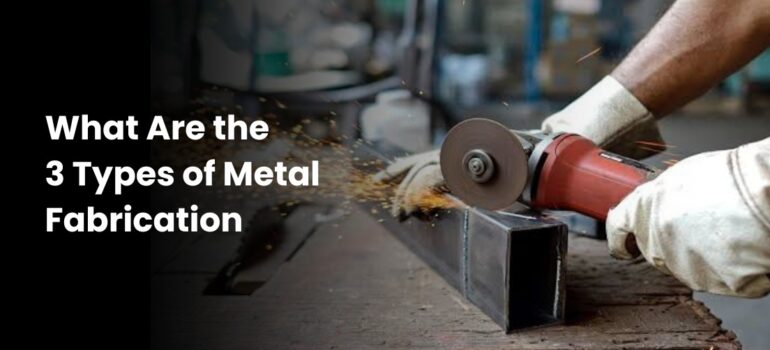
What Are the 3 Types of Metal Fabrication (2026)

Metal fabrication sits quietly behind almost everything people use every day. From building frames and machinery parts to custom railings and industrial equipment, fabricated metal shapes modern life. Yet many business owners, engineers, and even homeowners still ask a simple question before starting a project. What are the three types of metal fabrication, and which one is right for the job?

In 2026, this question matters more than ever. Projects are more specialized, timelines are tighter, and quality expectations keep rising. Understanding the core types of metal fabrication helps buyers make smarter decisions, avoid costly mistakes, and choose the right fabricator from the start.

This guide explains the three main types of metal fabrication in clear terms, with real-world examples and practical insights. It also highlights how experienced shops like Blue Creek Iron Works apply these methods to deliver durable, precise, and cost-effective results.

Understanding Metal Fabrication: A Quick Overview

Metal fabrication is the process of transforming raw metal into usable parts, structures, or finished products. It involves a series of controlled steps using tools, machines, and skilled labor. These steps can include cutting, shaping, joining, and finishing metal to meet exact specifications.

Fabrication is used across industries such as construction, automotive, manufacturing, energy, agriculture, and commercial design. While the end products vary widely, most fabrication work falls into three primary categories:

  • Cutting
  • Bending and forming
  • Welding and assembly

Each type serves a specific purpose, and most real projects use a combination of all three. Understanding how each one works makes it easier to plan a project and evaluate fabrication services with confidence.

Type 1: Metal Cutting Fabrication

What Is Metal Cutting?

Metal cutting is the first and most fundamental type of metal fabrication. It involves slicing raw metal sheets, plates, bars, or tubes into specific sizes and shapes. Accuracy at this stage is critical because every later step depends on how well the metal is cut.

In 2026, cutting methods have become faster and more precise, but the goal remains the same: clean edges, minimal waste, and exact dimensions.

Common Metal Cutting Methods

Several cutting techniques are widely used depending on the material, thickness, and project requirements.

a) Laser Cutting

Laser cutting uses a focused beam of light to cut metal with high precision. It is ideal for intricate designs, tight tolerances, and thin to medium-thickness materials. Many custom metal fabrication shops rely on laser cutting for decorative panels, brackets, and detailed components.

b) Plasma Cutting

Plasma cutting uses electrically charged gas to cut through thicker metals such as steel and aluminum. It is faster than laser cutting for heavy-duty applications and commonly used in structural metal fabrication.

c) Waterjet Cutting

Waterjet cutting uses high-pressure water mixed with abrasive materials. It produces clean cuts without heat, making it suitable for metals that could warp under high temperatures.

d) Shearing and Sawing

These traditional methods are still used for straight cuts and high-volume work where extreme precision is not required.

Where Metal Cutting Is Used

Metal cutting fabrication is used in nearly every industry, including:

  • Structural steel beams for buildings
  • Machine parts and enclosures
  • Custom metal signs and panels
  • Automotive and industrial components

At Blue Creek Iron Works, cutting is treated as a precision process, not a shortcut. Accurate cutting reduces rework, saves material, and ensures smoother fabrication downstream.

Type 2: Metal Bending and Forming Fabrication

What Is Metal Bending and Forming?

Once metal is cut to size, it often needs to be shaped. Metal bending and forming fabrication reshapes flat or straight metal into angles, curves, channels, and complex profiles without removing material.
This process adds strength and functionality while maintaining the integrity of the metal.

Key Bending and Forming Techniques

a) Press Brake Bending

Press brakes use controlled force to bend metal at specific angles. This method is common for brackets, frames, cabinets, and enclosures.

b) Roll Forming

Roll forming passes metal through a series of rollers to create consistent shapes. It is often used for long components such as rails, panels, and channels.

c) Stamping

Stamping uses dies and presses to form metal into predefined shapes. It is ideal for high-volume production runs.

d) Tube and Pipe Bending

This method shapes round or square tubing without collapsing it. It is widely used for handrails, frames, and support structures.

Why Bending and Forming Matter

Bending and forming do more than change shape. They improve strength, reduce the need for welding, and create parts that fit together seamlessly. Poor bending can lead to cracks, uneven angles, and weak points that compromise safety.

Experienced metal fabrication services understand how different metals respond to force. Steel, aluminum, and stainless steel all behave differently during forming, and skill plays a major role in consistent results.

Type 3: Welding and Metal Assembly Fabrication

What Is Welding and Assembly?

Welding and assembly bring everything together. This type of metal fabrication joins individual parts into a complete structure or product. It requires both technical knowledge and craftsmanship.
Welding is often the most visible part of fabrication, and it directly affects strength, appearance, and longevity.

Common Welding Methods

a) MIG Welding

Metal Inert Gas welding is widely used for its speed and versatility. It works well for structural steel and general fabrication projects.

b) TIG Welding

Tungsten Inert Gas welding offers cleaner, more precise welds. It is often used for stainless steel, aluminum, and projects where appearance matters.

c) Stick Welding

Stick welding is durable and effective for outdoor or heavy-duty applications, especially where conditions are less controlled.

Assembly Beyond Welding

Assembly also includes:

  • Bolting and fastening
  • Riveting
  • Aligning and fitting components
  • Integrating moving or mechanical parts

At Blue Creek Iron Works, assembly is handled with a focus on structural integrity and long-term performance. Proper alignment and secure joints prevent failures and extend the life of the finished product.

How the 3 Types of Metal Fabrication Work Together

Although these are three distinct types of metal fabrication, they rarely operate in isolation. A typical project flows through all three stages.

For example, a custom steel staircase may involve:
1. Cutting steel plates and tubes to size
2. Bending handrails and step supports
3. Welding and assembling the full structure

Each step builds on the last. A mistake early in the process can ripple through the entire project. This is why choosing a fabricator with end-to-end capabilities matters.

Full-service metal fabrication shops coordinate cutting, forming, and welding under one roof. This improves quality control, speeds up production, and reduces costs.

Choosing the Right Metal Fabrication Partner in 2026

What Buyers Should Look For

When evaluating metal fabrication services, buyers should consider more than just price. Key factors include:

  • Experience with similar projects
  • In-house cutting, bending, and welding capabilities
  • Material expertise across steel, aluminum, and stainless steel
  • Quality control processes
  • Clear communication and realistic timelines

In 2026, demand for custom metal fabrication continues to grow. Projects are more specialized, and off-the-shelf solutions often fall short. Working with a skilled fabricator ensures the final product meets both functional and aesthetic goals.

Why Experience Still Matters

Advanced machines help, but skilled hands and informed decisions still make the difference. Understanding metal behavior, load requirements, and finishing details cannot be automated entirely.
As a leading fabricator, Blue Creek Iron Works combines modern equipment with hands-on expertise. This balance allows them to deliver reliable results across structural, commercial, and custom fabrication projects.

Commercial Applications of Metal Fabrication

The three types of metal fabrication support a wide range of commercial uses, including:

  • Structural frames and supports
  • Industrial equipment and platforms
  • Architectural metal features
  • Custom railings and staircases
  • Machinery components

Businesses investing in metal fabrication benefit from durability, customization, and long-term value. Proper fabrication reduces maintenance, improves safety, and enhances visual appeal.
Using professional metal fabrication services also ensures compliance with industry standards and local regulations, which is critical for commercial and industrial projects.

Conclusion:

Understanding the three types of metal fabrication cutting, bending and forming, and welding and assembly gives buyers a clear advantage. It helps them ask better questions, evaluate proposals accurately, and choose the right fabrication partner. In 2026, successful projects rely on precision, coordination, and experience at every stage. Whether the need is structural steel, custom metalwork, or industrial components, the fundamentals of fabrication remain the same.

For those planning a project, working with an experienced shop like Blue Creek Iron Works ensures each fabrication step is handled with care, skill, and accountability. When cutting is precise, forming is accurate, and welding is strong, the final product speaks for itself.

Now is the right time to approach metal fabrication with clarity and confidence. Partner with a fabricator that understands all three types of metal fabrication and knows how to apply them to real-world results.

Read More
benefits-of-outsourcing-structural-steel-fabrication

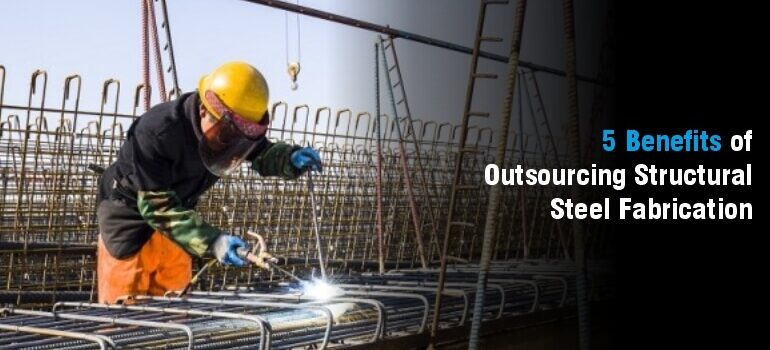
5 Benefits of Outsourcing Structural Steel Fabrication Processing to Blue Creek Iron Works

In today’s competitive construction landscape, efficiency and quality are paramount. For many businesses, particularly those experiencing growth, in-house structural steel fabrication can become a bottleneck.

However, outsourcing this crucial step in your project can unlock significant benefits, allowing you to focus on your core competencies while streamlining production and ensuring top-notch results. Here are five key advantages of partnering with Blue Creek Iron Works for your structural steel fabrication processing needs.

Advantages of Outsourcing Structural Steel Fabrication

1. Get Faster, Higher Quality Output With 3D Modeling Services

At Blue Creek Iron Works, we leverage cutting-edge 3D modeling software. This technology allows us to create precise digital representations of your project’s steel components. Benefits of 3D modeling include:

  • Reduced Errors: 3D models allow for meticulous virtual construction, identifying and rectifying potential issues before fabrication begins. This minimizes costly rework and delays down the line, leading to a smoother, faster production process.
  • Enhanced Communication: 3D models provide a clear visual representation of the project, facilitating seamless communication between engineers, fabricators, and your team. This ensures everyone involved is on the same page, avoiding misunderstandings and wasted time.
  • Improved Design Optimization: 3D modeling allows for virtual prototyping, enabling you to explore different design iterations and identify opportunities for material optimization before production starts. This can lead to a more cost-effective and efficient final product.

2. Outsource Processing Automation to Accelerate Production Timelines

Blue Creek Iron Works utilizes a state-of-the-art fabrication facility equipped with automated machinery. These advanced tools handle repetitive tasks with exceptional speed and precision, offering numerous advantages:

  • Increased Efficiency: Automation streamlines the fabrication process, significantly reducing the time it takes to complete projects compared to manual processes. This translates to faster delivery times and quicker project completion.
  • Enhanced Consistency: Automated machines produce identical results consistently, eliminating human error and ensuring each component meets your exact specifications. This consistency minimizes the risk of defects and ensures a high-quality finished product.
  • Reduced Labor Costs: By automating repetitive tasks, we can optimize our workforce, focusing skilled personnel on more complex aspects of the project. This translates to potentially lower overall fabrication costs for your business.

3. Reduce CapEx and Infrastructure Costs for Growing Your Business

Investing in the equipment and infrastructure necessary for in-house structural steel fabrication can be a significant capital expenditure (CapEx) for growing businesses. Outsourcing this process to Blue Creek Iron Works offers several financial benefits:

  • Lower Upfront Costs: Eliminate the need to purchase expensive fabrication machinery and invest in a dedicated workspace. Instead, you pay a predictable processing fee, freeing up valuable capital for other aspects of your business.
  • Reduced Maintenance Costs: The upkeep and maintenance of fabrication equipment can be substantial. By outsourcing, you avoid these ongoing expenses, allowing you to focus on your core business activities.
  • Scalability: Outsourcing provides inherent scalability. As your project needs fluctuate, you simply adjust the scope of your partnership with Blue Creek Iron Works. This eliminates the need to invest in additional equipment based on temporary project demands.

4. Get More Quality Control Over Your Structural Steel Processing

Quality is paramount in any construction project. When you outsource structural steel fabrication to Blue Creek Iron Works, you gain access to our rigorous quality control measures:

  • Certified Professionals: Our team comprises highly skilled and certified fabricators who adhere to the strictest industry standards. This ensures every component is crafted with meticulous attention to detail and meets all relevant building codes.
  • Strict Inspection Processes: Our fabrication process incorporates multiple inspection points throughout production. This allows us to identify and rectify any potential issues early on, preventing them from impacting the final product.
  • Material Traceability: We maintain meticulous records of all materials used in your project. This ensures complete traceability, allowing for peace of mind and adherence to project specifications.

5. Outsource Structural Steel Processing to Blue Creek Iron Works

Blue Creek Iron Works is your trusted partner for all your structural steel fabrication processing needs. We offer:

  • Unparalleled Expertise: Backed by years of experience, our team possesses the knowledge and expertise to tackle even the most complex projects.
  • Commitment to Quality: We prioritize superior craftsmanship and maintain rigorous quality control measures to ensure exceptional results.
  • Streamlined Processes: From 3D modeling to automated fabrication, our processes are designed for efficiency and speed.
  • Competitive Pricing: We offer competitive pricing structures to meet your budgetary requirements.

By partnering with Blue Creek Iron Works, you can experience the benefits of faster turnaround times, enhanced quality control, and reduced operational costs. This allows you to focus your resources on core business activities while ensuring your projects are completed on time and within budget.

Check also: Factors to be considered when choosing a Structural Steel Fabricator

Read More
compliance-challenges-for-metal-fabricators

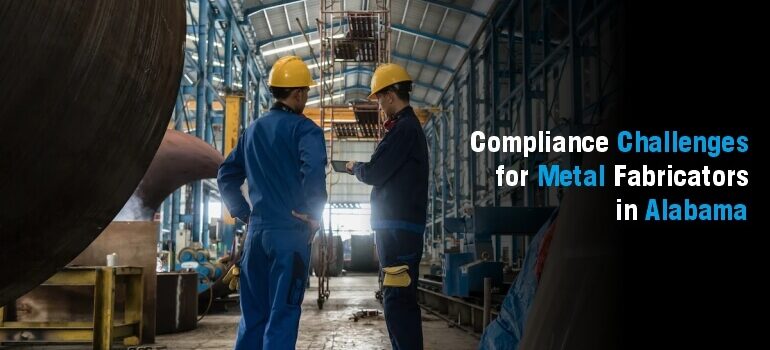
Compliance Challenges for Metal Fabricators in Alabama

Metal fabricators in Alabama face a myriad of compliance challenges in today’s regulatory landscape. From environmental standards to occupational health and safety regulations, ensuring adherence to state and federal requirements is crucial for the industry’s operations.

This article delves into the key areas of compliance that metal fabricators in Alabama need to navigate, including environmental compliance requirements, employee training needs, supply chain considerations, record-keeping obligations, and emerging technologies that offer solutions to these challenges. Understanding and addressing these compliance issues is essential for metal fabricators to maintain a safe, sustainable, and legally compliant operation in the state of Alabama.

Key Compliance Challenges for Metal Fabricators in Alabama

Regulatory Landscape for Metal Fabricators in Alabama

Metal fabricators in Alabama need to navigate a complex web of state and federal regulations to ensure compliance. From environmental standards to occupational safety laws, understanding and adhering to these regulations is crucial for the industry’s success.

1. Overview of State and Federal Regulations

Navigating the regulatory landscape for metal fabricators in Alabama involves compliance with a mix of state and federal regulations. Understanding how these regulations intersect and differ is key to avoiding costly violations and penalties.

2. Key Compliance Agencies and Authorities

Metal fabricators in Alabama must interface with various compliance agencies and authorities. From the Alabama Department of Environmental Management to the Occupational Safety and Health Administration (OSHA), knowing who to contact and how to stay in their good graces is vital.

Environmental Compliance Requirements

Adhering to environmental compliance requirements is paramount for metal fabricators in Alabama to minimize their impact on the environment and surrounding communities. From waste management to air quality control, these standards play a critical role in the industry’s sustainability.

1. Waste Management and Disposal Regulations

Proper waste management and disposal are essential for metal fabricators in Alabama. Understanding and following regulations around hazardous waste, recycling, and proper disposal methods are crucial for maintaining environmental compliance.

2. Air Quality Control Standards

Maintaining air quality control standards is imperative for metal fabricators in Alabama to mitigate emissions and pollutants. Adhering to regulations on emissions monitoring, pollution control, and air quality permits is essential for environmental compliance.

Occupational Health and Safety Regulations

Ensuring a safe work environment is a top priority for metal fabricators in Alabama to protect their employees and uphold industry standards. Adhering to occupational health and safety regulations is crucial for preventing workplace accidents and injuries.

1. OSHA Standards for Metal Fabrication Industry

Compliance with OSHA standards is non-negotiable for metal fabricators in Alabama. From machine guarding to hazard communication, adhering to these regulations is vital for creating a safe workplace environment and avoiding costly penalties.

2. Worker Protection and Safety Programs

Implementing comprehensive worker protection and safety programs is essential for metal fabricators in Alabama to promote a culture of safety among employees. From safety training to hazard identification, these programs are key to reducing workplace accidents and ensuring employee well-being.

Employee Training and Certification Needs

Investing in employee training and certification is crucial for metal fabricators in Alabama to ensure compliance with industry standards and regulations. Equipping workers with the necessary skills and certifications is vital for maintaining a knowledgeable and compliant workforce.

1. Training Programs for Safety and Compliance

Providing ongoing training programs for safety and compliance is essential for metal fabricators in Alabama. Keeping employees up to date on the latest regulations, safety procedures, and best practices is key to fostering a culture of compliance and minimizing risks.

2. Certification Requirements for Metal Fabrication Workers

Ensuring that metal fabrication workers in Alabama have the necessary certifications is vital for meeting industry standards and regulatory requirements. From welding certifications to equipment operation licenses, verifying workers’ credentials is crucial for maintaining compliance and quality standards in the industry.

Supply Chain Compliance Considerations

Sourcing and Procurement Compliance Navigating the labyrinth of suppliers and materials can make anyone feel like they’re playing a game of metal fabricator chess. But compliance is not a game. Ensuring your sourcing and procurement practices tick all the regulatory boxes is crucial. From verifying supplier certifications to tracking material origins, staying compliant means staying ahead of the game.

1. Vendor and Contractor Compliance Management

Working with vendors and contractors is like assembling a team for a heist – you need to trust them, but you also need to keep a close eye on everything they do. Managing compliance with external partners involves vetting their credentials, ensuring their practices align with regulations, and holding them accountable for their actions. It’s like building a compliance Avengers team but with fewer capes.

2. Record-keeping and Reporting Obligations

Documentation Requirements for Compliance In the world of metal fabrication compliance, paperwork is king. Keeping meticulous records of transactions, certifications, and processes is not just a bureaucratic chore – it’s your armor against compliance pitfalls. Remember, if it’s not documented, it never happened, at least in the eyes of regulators.

Reporting Procedures and Deadlines

Deadlines are like the ghosts that haunt compliance officers’ dreams – they’re always lurking, waiting to jump out when you least expect it. Reporting procedures are the roadmap to compliance success. Knowing what needs to be reported, how, and when can mean the difference between smooth sailing and a compliance nightmare. Stay on top of your deadlines, or risk being lost in a sea of regulatory paperwork.

1. Emerging Technologies and Compliance Solutions

Automation and Monitoring Technologies Gone are the days of manually tracking every compliance detail like a metal fabrication detective. Automation and monitoring technologies are the superheroes of compliance management, helping you keep track of everything from supplier certifications to production processes in real time. Embrace the tech sidekick, and watch your compliance woes disappear faster than metal shavings in a dust collector.

2. Software Solutions for Compliance Management

In a world where regulations are as complex as welding a titanium alloy, having the right software on your side is like having a secret weapon in your compliance arsenal. From streamlining documentation processes to generating compliance reports at the click of a button, software solutions are the Swiss Army knives of compliance management. Embrace the power of technology, and watch compliance become as easy as piecing together a metal puzzle.

Conclusion

In conclusion, staying abreast of compliance regulations is vital for metal fabricators in Alabama to operate successfully and responsibly. By proactively addressing environmental, safety, training, supply chain, and record-keeping requirements, businesses can mitigate risks, enhance their reputation, and contribute to a more sustainable industry.

Check also: 5 Benefits of Outsourcing Structural Steel Fabrication

Embracing emerging technologies and innovative compliance solutions can further streamline operations and ensure long-term compliance success. By prioritizing compliance efforts, metal fabricators in Alabama can thrive in a competitive industry while upholding ethical and legal standards.

Read More